


 English
  Français
  Español
  简体中文
简体中文
 简体中文
简体中文
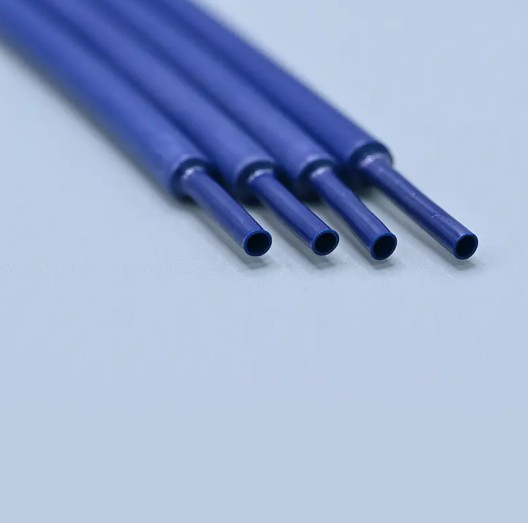
PEBAX heat shrink tubing is a high-performance, medical-grade heat shrink tubing widely used in the medical device industry. It is made from PEBAX material, renowned for its unique combination of properties, making it ideal for the manufacture of interventional catheters and a variety of medical devices.
Manufacturing capabilities are crucial in the production of PEBAX heat shrink tubing and related medical devices. For example, companies like LINSTANT ensure an efficient and high-quality product supply through their state-of-the-art production facilities. LINSTANT boasts nearly 20,000 square meters of GMP-compliant cleanroom space, providing a clean environment for the production of high-standard medical-grade heat shrink tubing.
Unique Advantages and Applications of PEBAX Materials
PEBAX is a thermoplastic elastomer that combines the flexibility of polyether with the strength and chemical resistance of polyamide. These properties give PEBAX heat shrink tubing excellent mechanical properties, precise dimensional stability, and excellent biocompatibility.
PEBAX heat shrink tubing is widely used in the manufacture of medical devices, typically as an outer tubing coating, significantly enhancing the performance of catheters. It serves as a delivery and access channel in applications such as neurovascular, cardiac, and peripheral vascular surgery. In these critical applications, catheters require excellent maneuverability and kink resistance.
Specifically, PEBAX heat shrink tubing is also commonly used for the following functions:
Friction protection: Providing a smooth, low-friction surface for medical devices.
Insulation: Used for insulation of laparoscopic electrosurgical equipment.
Mechanical protection and insulation: Protecting highly flexible connectors.
Process-aided materials: Providing manufacturing convenience in interventional applications.
Robust Equipment Support for Diverse Applications
To meet the demands of diverse product specifications and complexities, robust equipment support is crucial. LINSTANT's production line configuration reflects this expertise, including:
15 imported extrusion lines with various screw specifications and single-, double-, and triple-layer co-extrusion capabilities ensure the complex structures and precise dimensions of catheters.
Eight PEEK extrusion lines and two injection molding lines expand the material's application range.
Nearly 100 braiding, stretching, and coating machines, as well as 40 welding and molding machines, are used for further processing and forming of catheters, ensuring efficient order fulfillment.
Optimized Design: Thinner Walls, Better Performance
A core advantage of PEBAX heat shrink tubing is its ability to achieve extremely thin wall thicknesses while maintaining the necessary strength and lubricity. For example, in disposable biopsy forceps, by using a polyurethane elastomer PEBAX outer layer as the clamp channel tube, the wall thickness can be minimized while maintaining strength and lubricity.
This design optimization offers two benefits:
Increased Inner Diameter: While maintaining the same outer dimensions, the inner diameter of the clamp channel tube can be increased, facilitating instrument passage.
Reduced Tip Dimensions: Alternatively, while maintaining the same inner diameter, the outer dimensions of the tip can be reduced, improving endoscope insertion and reducing patient discomfort and surgical difficulty.
PEBAX heat shrink tubing, thanks to its high-performance PEBAX material, precisely controlled wall thickness, and diverse applications in interventional catheters and medical devices, has become a vital material in modern medical technology. Dedicated production capabilities, such as the advanced equipment and GMP cleanroom showcased by LINSTANT, are essential for ensuring the success of these high-quality products.
-
17Oct-2025What is PEBAX heat shrink tubing?
-
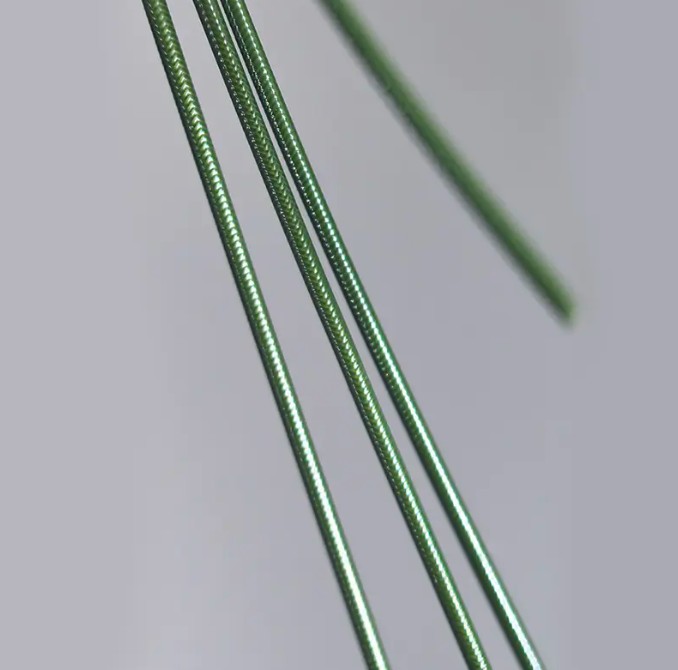
03Oct-2025What is PI Reinforced Tubing?In the precision manufacturing of medical devices, material performance requirements are extremely stringent. PI Reinforced Tubing has become a key component in demanding applications such as vascular intervention and electrophysiology. Overview of PI Material PI, also known as polyimide, is a recognized high-performance organic polymer. Its outstanding features include: High strength: Even at microscale, PI maintains excellent mechanical strength. Excellent temperature resistance and thermal stability: This allows it to operate stably in a variety of complex medical environments, including high- and low-temperature sterilization processes. Although simple PI tubing offers excellent performance, braided reinforcement has been introduced to meet the higher demands of pushability, torsion resistance, and pressure resistance within the body for medical catheters. Braided Reinforcement Technology Braided reinforcement is a key production technology that incorporates a precisely woven reinforcement layer (usually metal wire or fiber) within the tubing wall to significantly: Improve compressive resistance: This prevents the tubing from deforming or collapsing when bent or subjected to external pressure. Improve pushability: This ensures that the catheter can effectively transmit force from the outside to the tip, enabling precise control by the physician. LINSTANT: A Professional Manufacturer of High-Performance Polyimide Reinforced Tubing Manufacturing PI Reinforced Tubing that meets the highest medical standards requires sophisticated polymer catheter extrusion, coating, and post-processing technologies. Since its establishment in 2014, LINSTANT has dedicated itself to this endeavor. We are committed to providing medical device manufacturers with precise, safe, and diverse process development capabilities and stable output. We understand the importance of high precision in life sciences and have amassed extensive experience in tubing extrusion using specialized engineering materials such as polyimide (PI) and PEEK. Product Scope and Capabilities Our business scope covers several key areas of medical catheter manufacturing, including extruded single- and multi-layer tubing, single- and multi-lumen tubing, and single-, double-, and triple-layer balloon tubing, as well as a variety of surface treatment solutions. We offer a wide range of sizes to meet the complex customization needs of medical device customers for PI Reinforced Tubing and related catheter components. Key Advantages of Polyimide Reinforced Tubing Our polyimide reinforced tubing perfectly combines the inherent advantages of polyimide (PI) with the mechanical properties of braid reinforcement, resulting in a composite tubing with superior overall performance. Key features include: Improved Torque Control: The tip of the catheter responds more precisely and instantly to external rotation, crucial for precision in minimally invasive procedures. Excellent Flexibility: Easily navigates the complex, tortuous vascular pathways of the human body. High Strength: Ensures resistance to damage during operation. Thanks to these advantages, PI Reinforced Tubing are widely used in numerous medical devices and are a key enabler for minimally invasive interventional procedures. Key applications and related medical devices include: Application Areas Typical Medical Devices (Related Terms) Vascular Intravascular ultrasound catheters, vascular stent delivery systems Structural Heart Disease Delivery sheaths, interventional catheters Electrophysiology Electrophysiology catheter sheaths Urology Lithotomy basket sheaths, urinary catheters
-
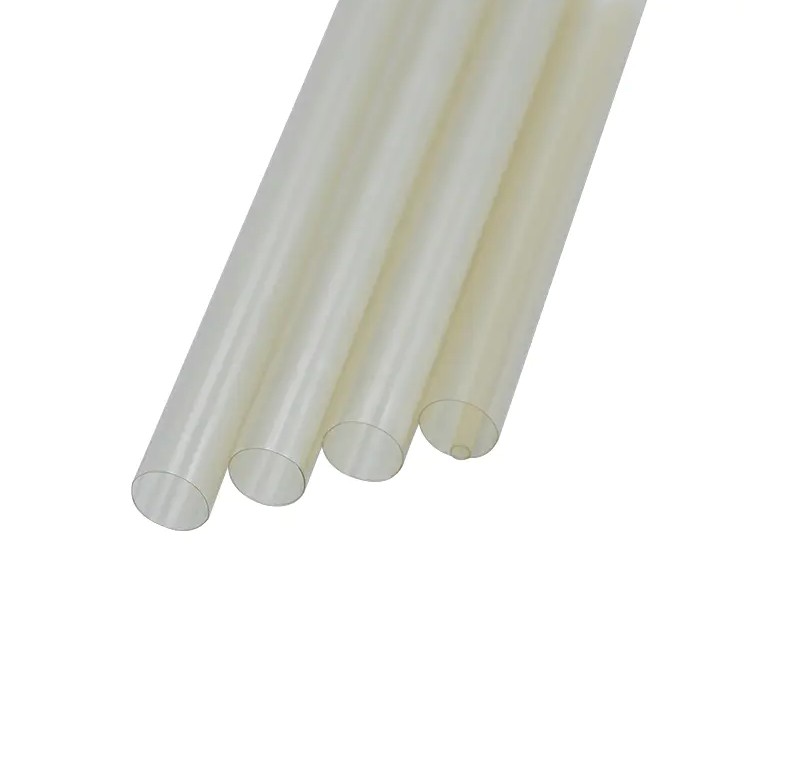
26Sep-2025What is PEEK Tubing?PEEK tubing (polyetheretherketone) is a tubing made from the high-performance thermoplastic polymer PEEK. Its exceptional performance excels in numerous demanding applications. It's more than just tubing; it's a key component in solving complex engineering challenges. The unique properties of PEEK give tubing unparalleled advantages, enabling it to remain stable in high-temperature, high-pressure, and high-strength environments. Exceptional Properties of PEEK Tubing The most notable feature of PEEK tubing is its exceptional high-temperature resistance. It can operate reliably in environments up to 250°C while maintaining excellent mechanical properties, including high strength, high fracture toughness, and stable dimensional stability. Even under extreme thermal conditions, PEEK tubing performs reliably without deformation or performance degradation. In addition to high-temperature resistance, PEEK tubing exhibits exceptional chemical stability, abrasion resistance, and flame retardancy. Its excellent biocompatibility makes it a leading choice in medical devices, enabling them to be safely implanted in the human body or used in contact with living organisms. Wide Applications of PEEK Tubing Due to its exceptional properties, PEEK tubing has a wide range of applications. In the medical field, it is a core component in high-precision medical devices, such as: Cardiovascular interventional catheters: Due to high strength and biocompatibility. Endoscopes and urological catheters: Flexibility and durability ensure smooth procedures. Electrosurgical forceps: Excellent insulating properties ensure safety. PEEK tubing is also used in other demanding industries. In the e-cigarette industry, it serves as thermal insulation tubing. In military and aerospace applications, its lightweight, high strength, and resistance to extreme environments make it essential for critical systems in aircraft and spacecraft. Dimensional Tolerances of PEEK Tubing PEEK tubing is typically produced using high-precision extrusion technology, allowing very tight dimensional tolerances. Experienced manufacturers ensure that outer diameter, inner diameter, and wall thickness remain within strict limits. This precision is crucial for medical catheters and aerospace components, requiring precise fit and consistent performance. Advantages Over Other High-Performance Tubing Materials Compared to common materials like PTFE (polytetrafluoroethylene) and PVDF (polyvinylidene fluoride), PEEK tubing offers significant advantages in mechanical strength, rigidity, and high-temperature resistance. In applications requiring high load-bearing capacity and dimensional stability, especially under extreme conditions, PEEK tubing provides more reliable and long-lasting performance. About Ningbo LINSTANT Polymer Materials Co., Ltd. Ningbo LINSTANT Polymer Materials Co., Ltd., established in 2014, has grown into a national-level high-tech enterprise with over 500 professional staff members. The company aims to transcend traditional component supply, integrating deeply into its customers' products. Through precise design matching and stringent quality control, LINSTANT provides medical device companies with safer, more precise, and technologically advanced customised catheter system solutions.
-
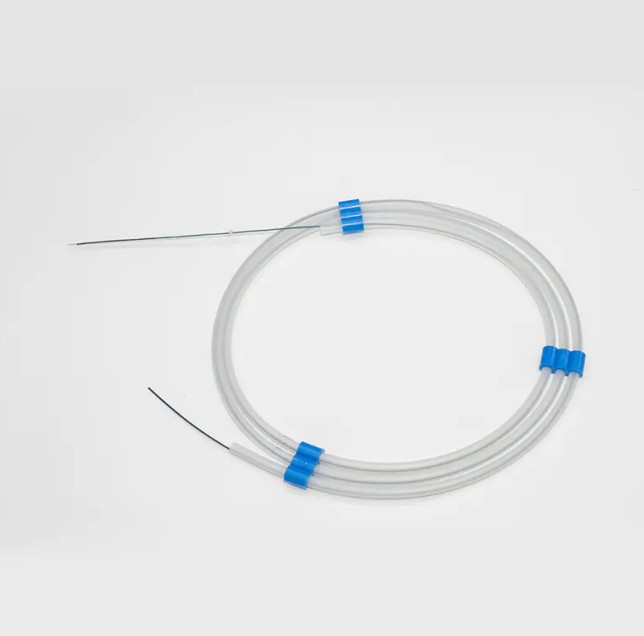
11Oct-2025What are Micro Catheter used for?These tiny, flexible Micro Catheter are the "lifeways" of modern medical devices. They can navigate the complex vascular network of the human body, greatly expanding doctors' capabilities for minimally invasive surgery. Simply put, Micro Catheter are key "tool carriers" for precise diagnosis and treatment. The Core Use of Micro Catheter: The Art of Precision Delivery Micro Catheter are flexible catheters with extremely small inner diameters, key to enabling superselective cannulation and targeted therapy. Their primary functions are: Precise Positioning and Diagnosis: Micro Catheter can reach the smallest and most tortuous distal vessels in areas such as the brain, heart, and liver, delivering contrast agents and enabling precise angiographic diagnosis. Targeted Drug or Substance Delivery: This is the most important therapeutic application of Micro Catheter. They can accurately deliver therapeutic agents such as embolic agents, chemotherapy drugs, or coils for cerebral aneurysms to the lesion, achieving targeted treatment with minimal trauma. Quality Assurance: LINSTANT's Manufacturing Strength To ensure smooth and precise operation of Micro Catheter within blood vessels, the quality of the catheter itself is crucial. This requires products with exceptional flexibility, maneuverability, and biocompatibility. Since its founding in 2014, LINSTANT has specialized in extrusion, coating, and post-processing technologies for medical polymer catheters, dedicated to providing medical device manufacturers with high-precision, high-safety components. LINSTANT's manufacturing expertise enables the creation of high-performance Micro Catheter that meet the stringent clinical demands of minimally invasive surgery: High-end Materials and Processing: LINSTANT boasts 15 imported single-, double-, and triple-layer co-extrusion lines, as well as eight PEEK extrusion lines specifically designed for high-temperature-resistant, high-strength catheters, ensuring superior material performance and dimensional accuracy. Efficient Integrated Manufacturing: LINSTANT's nearly 20,000 m² GMP-compliant cleanroom is equipped with nearly 100 braiding, stretching, and coating machines and 40 welding and forming machines, ensuring stable production capacity for complex multi-layer, multi-lumen microcatheter structures. Thanks to suppliers like LINSTANT who focus on core technologies, the application range of Micro Catheter is expanding, especially in complex vascular procedures such as chronic total occlusion (CTO) and transcatheter arterial chemoembolization (TACE).
-
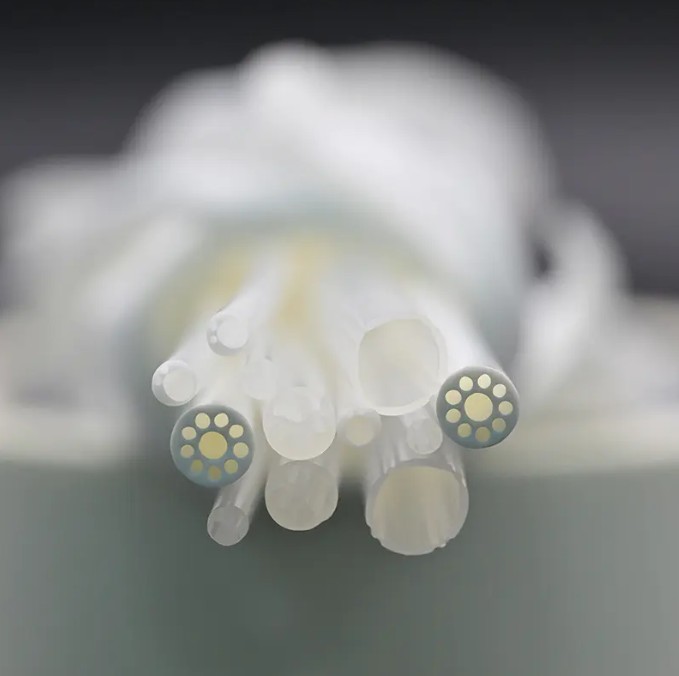
19Sep-2025What is a Multi-lumen Tubing?A Multi-lumen Tubing is a single piece of tubing with multiple independent channels. This unique structure enables it to simultaneously accommodate and transport a variety of different substances, enabling multifunctional operation within a single catheter, significantly improving work efficiency and application flexibility. Core Advantages of Multi-lumen Tubing The main advantage of a multi-lumen tubing lies in its multi-channel design. Each lumen operates independently, without interfering with each other, and can simultaneously accommodate guidewires, medications, gases, or other fluids. For example, during interventional procedures, a physician can administer medication through one channel while simultaneously manipulating a guidewire through another, streamlining the procedure and minimizing patient trauma. This integrated functionality makes multi-lumen tubings a vital tool for complex medical procedures. Sophisticated Production Process: Extrusion Technology Manufacturing high-quality multi-lumen tubing is a skill-intensive process. It requires highly precise extrusion technology to ensure extremely tight dimensional tolerances within each lumen and excellent overall stability and mechanical properties. Professional manufacturers produce multi-lumen tubings in a variety of shapes and lumen configurations to meet stringent project requirements, ensuring product reliability and consistency. Wide Range of Applications Due to its exceptional versatility, multi-lumen tubing is widely used in various fields, particularly in the medical device industry. Common applications include: Interventional medical devices: balloon catheters, intravascular catheters, and central venous catheters. Diagnostic equipment: fluid and sensor transfer. Industrial manufacturing: fluid control systems, pneumatic components, and specialized sensing applications. About Ningbo LINSTANT Polymer Materials Co., Ltd. Ningbo LINSTANT Polymer Materials Co., Ltd. was established in 2014 and has grown into a national-level high-tech enterprise with over 500 professional staff members. The company aims to transcend the role of a traditional component supplier, becoming an integral part of its customers' products. From precise matching during collaborative design to reliability assurance during manufacturing, LINSTANT deeply integrates into the core value chain of its customers' products, transforming catheter technology into a core competitive advantage. Through continuous innovation and stringent quality control, LINSTANT provides medical device companies with safer, more precise, and technologically advanced customised catheter system solutions.
-
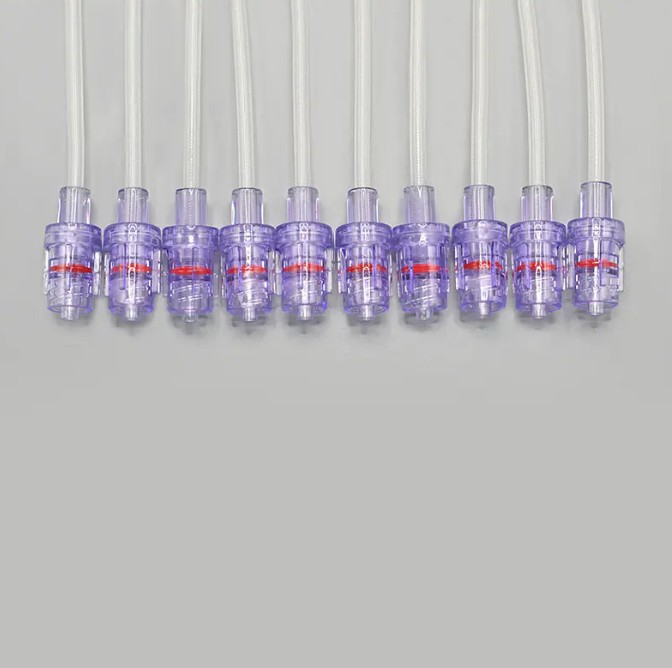
12Sep-2025What's the Difference Between High Pressure Braided Tubing and Standard IV Tubing?In modern medicine, precision and safety are crucial prerequisites for successful surgery. When it comes to tubing used to deliver fluids to patients, many people think of standard IV tubing. However, in specialized scenarios, such as PCI procedures, standard IV tubing is no longer suitable, and High Pressure Braided Tubing is essential. These two seemingly similar tubing types actually differ significantly in structure, function, and operating environments. Structure and Materials: Key to Withstanding Pressure Standard IV tubing is mostly single-layer, typically made of PVC or silicone. It's flexible and lacks additional support. This design is sufficient for routine infusions or drug injections, as these procedures occur under normal pressure. High Pressure Braided Tubing, on the other hand, utilizes a multi-layer composite design. The most important layer is the braided reinforcement layer embedded in the tubing wall. This mesh, made of metal or high-strength fiber material, acts as a protective layer for the tubing, enabling it to withstand higher pressures. Furthermore, High Pressure Braided Tubing often utilizes medical polymer materials such as PEBAX and TPU, ensuring stable form and performance even under high pressure. Functions and Applications: Conventional and Specialized Ordinary IV tubing has a wide range of applications, primarily for procedures requiring normal pressure and low flow rates, such as blood and fluid transfusions. However, it cannot withstand high flow rates or high pressure injections. If misused in high-pressure applications, it can easily cause tube wall expansion or even rupture, potentially resulting in serious consequences. High Pressure Braided Tubing is designed for specific high-pressure environments. During procedures such as percutaneous coronary intervention (PTCA), physicians need to deliver contrast media into the coronary arteries quickly to obtain clear images. The injection pressure during this process can reach hundreds or even thousands of psi. High Pressure Braided Tubing, with its excellent pressure resistance, ensures that the contrast media reaches the target site quickly and stably. Its kink-resistant properties also make the procedure smoother and reduce unexpected situations. Safety and Precision: Directly Impacting Surgical Outcomes Ordinary IV tubing expands and deforms under high pressure, making it difficult to precisely control the injection dose and flow rate. This poses a significant risk in applications requiring precise drug delivery. It also increases the likelihood of tubing rupture. High Pressure Braided Tubing avoids these problems. The reinforced layer virtually prevents the tubing wall from expanding under high pressure, ensuring stable and controllable injection dosages. This performance not only improves operational accuracy but also significantly reduces the risk of tubing failure. Conclusion: The Right Choice for Different Needs In summary, High Pressure Braided Tubing and standard IV tubing differ fundamentally in structure, material, function, and safety. Standard IV tubing is suitable for general medical use, while High Pressure Braided Tubing is an irreplaceable specialized tool for high-pressure, precision procedures. While similar in appearance, their differing internal designs determine their respective roles in clinical applications.
 CONTACT US
If you are interested in our products, please contact us
- CONTACT DETAILS
- Address : 5 Oak Park Dr, Bedford, MA 01730
- Tel: +86-13771817432
- Email: [email protected]
- The information provided on this website is intended for use only in countries and jurisdictions outside of the People's Republic of China.
- PRODUCTS
- Medical Extruded Tubing
- Medical Reinforced Tubing
- Polyimide
- PEEK
- Balloon Tubing
- Micro Catheter
- Secondary Processes
- Heat Shrink Tube
- Fluoropolymer Medical Tubing
- Endoscope
- Negative Pressure Access Sheath
- Guiding Catheter
- Angiographic Catheter
- High Pressure Braided Tubing
- Medical Tubing Surface Treatment Process
- NEWS CENTER
- Industry News
- Company News
- MOBILE TERMINAL

