


 English
  Français
  Español
  简体中文
简体中文
 简体中文
简体中文
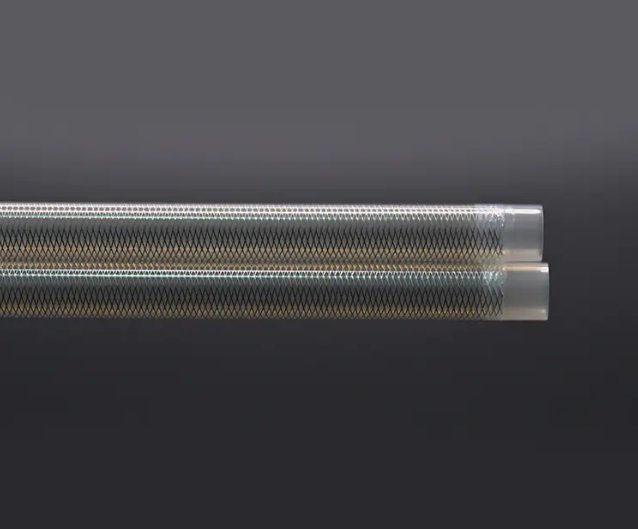
Medical braided tubing is preferred for catheters and interventional devices because it delivers a combination of high torque transmission, kink resistance, and radial strength that no single-layer extrusion can match. By embedding a reinforcing braid — typically stainless steel, nitinol, or high-strength polymer fibers — between inner and outer jacket layers, engineers achieve precise stiffness control while preserving the flexibility needed to navigate tortuous anatomy safely.
From cardiac guide catheters to neurovascular microcatheters and robotic surgical tools, medical braided tubing is the structural foundation of modern minimally invasive devices. This article examines the engineering rationale, material options, performance data, and application domains that make braided construction the default choice for high-performance catheter design.
What Braided Construction Actually Does for Medical Tubing
Braided tubing consists of three functional layers: an inner liner (often PTFE or polyimide) that provides lubricity and chemical compatibility, a braided reinforcement layer that governs mechanical performance, and an outer jacket (commonly Pebax, nylon, or polyurethane) that defines the device's outer profile and feel.
The braid itself — woven at specific pick counts and angles — determines the balance between three critical properties:
Torque response: how faithfully a rotation at the handle transmits to the catheter tip
Kink resistance: maintaining lumen patency during tight bends in vessel anatomy
Radial hoop strength: resisting collapse under external compression or vacuum
A braid angle of approximately 54.7 degrees (the "neutral angle") maximizes both axial flexibility and radial strength simultaneously — a geometry widely used in guide catheter design. Steeper angles increase radial rigidity; shallower angles improve pushability along the axis.
Torque Transmission: The Performance Metric That Defines Catheter Usability
In interventional cardiology and electrophysiology, the physician's ability to steer a catheter depends entirely on 1:1 torque response — meaning every degree of handle rotation corresponds precisely to tip deflection. Non-braided tubing suffers from torque wind-up: rotational energy stores in the shaft and releases suddenly, causing the tip to overshoot the target.
Medical braided tubing constructed with stainless steel wire achieves torque transmission ratios approaching 1:1 across shaft lengths up to 150 cm, the standard working length for peripheral and coronary catheters. This is made possible by the interlocked braid structure, which distributes torsional load evenly across the entire shaft circumference rather than concentrating stress at a single point.
(function() {
var ctx = document.getElementById('torqueChart').getContext('2d');
new Chart(ctx, {
type: 'bar',
data: {
labels: ['SS Braided', 'Nitinol Braided', 'Polymer Braided', 'Non-Braided (Extrusion)'],
datasets: [{
label: 'Torque Transmission Ratio (approximate %)',
data: [97, 93, 82, 55],
backgroundColor: ['#1a7a4a', '#2ecc71', '#82e0aa', '#c8f7d9'],
borderRadius: 7,
borderSkipped: false,
}]
},
options: {
responsive: true,
plugins: {
legend: { display: true, position: 'top', labels: { font: { size: 14 }, color: '#145a32' } },
title: { display: true, text: 'Torque Transmission Ratio by Tubing Construction (%)', font: { size: 15, weight: 'bold' }, color: '#1a7a4a', padding: { bottom: 10 } }
},
scales: {
y: { beginAtZero: true, max: 100, ticks: { color: '#145a32', font: { size: 13 } }, grid: { color: '#e8f8f0' } },
x: { ticks: { color: '#145a32', font: { size: 13 } }, grid: { display: false } }
}
}
});
})();
Kink Resistance: Maintaining Lumen Integrity Through Tight Vascular Curves
Kinking — the sudden collapse of a tube's lumen under bending — is one of the most critical failure modes in interventional devices. A kinked catheter blocks fluid flow, prevents guidewire passage, and can cause serious procedural complications.
Medical braided tubing resists kinking through the mechanical interaction of braid wires, which redistribute compressive forces across the tube wall rather than allowing them to concentrate at a single crease point. In standardized bend testing, braided catheters maintain full lumen patency at bend radii 40–60% tighter than equivalent non-braided constructions of the same outer diameter.
This matters most in anatomical locations such as:
The aortic arch in cardiac procedures (radius of curvature as tight as 20 mm)
Distal cerebral vasculature during neurovascular interventions
Renal and mesenteric arteries in peripheral vascular procedures
Tortuous biliary and urological tracts in endoscopic applications
Braid Material Options and Their Clinical Trade-offs
The choice of braid wire material fundamentally shapes device performance. The three most commonly used materials in medical braided tubing each offer distinct advantages:
Braid Material
Tensile Strength
MRI Compatibility
Best For
Stainless Steel (304/316)
~2,000 MPa
Conditional (artifacts)
Guide catheters, sheaths
Nitinol
~900 MPa
MRI conditional
Neurovascular, flexibility-critical
High-Tenacity Nylon / PET
~800 MPa
Fully compatible
MRI-guided procedures
Table 1: Comparison of common braid materials used in medical braided tubing
Stainless steel braid remains the dominant choice for guide catheters and introducer sheaths due to its high stiffness-to-diameter ratio. Nitinol braid is favored in neurovascular microcatheters where superelastic recovery prevents permanent deformation after tight bending. Polymer braids serve MRI-guided applications where metallic artifacts would compromise imaging quality.
Stiffness Profiling: Engineering Variable Flexibility Along the Catheter Shaft
One of the underappreciated capabilities of medical braided tubing is the ability to vary stiffness along a single device shaft — a technique called durometer profiling or transition zone design. By changing braid density (picks per inch), wire diameter, or outer jacket material at different shaft sections, engineers create catheters that are stiff at the proximal end for pushability and progressively softer at the distal tip for atraumatic vessel navigation.
A typical guide catheter stiffness profile might include:
Proximal shaft (0–80 cm): high braid density, rigid outer jacket — maximum pushability
Mid shaft (80–120 cm): intermediate braid density — balanced torque and flexibility
Distal tip (120–150 cm): low or no braid, soft Pebax jacket — atraumatic contact with vessel wall
This engineered gradient is only achievable with braided construction — a single-extrusion tube cannot replicate selective stiffness zones without major diameter changes.
(function() {
var ctx2 = document.getElementById('stiffnessChart').getContext('2d');
new Chart(ctx2, {
type: 'line',
data: {
labels: ['0 cm', '30 cm', '60 cm', '90 cm', '120 cm', '150 cm'],
datasets: [
{
label: 'Braided Catheter (Profiled)',
data: [95, 90, 78, 60, 38, 18],
borderColor: '#1a7a4a',
backgroundColor: 'rgba(26,122,74,0.10)',
tension: 0.4,
pointRadius: 5,
fill: true,
borderWidth: 2.5
},
{
label: 'Non-Braided Extrusion',
data: [60, 58, 57, 55, 54, 52],
borderColor: '#82e0aa',
backgroundColor: 'rgba(130,224,170,0.08)',
tension: 0.4,
pointRadius: 5,
fill: true,
borderWidth: 2.5,
borderDash: [6, 3]
}
]
},
options: {
responsive: true,
plugins: {
legend: { display: true, position: 'top', labels: { font: { size: 14 }, color: '#145a32' } },
title: { display: true, text: 'Relative Stiffness Profile Along Catheter Shaft (proximal → distal)', font: { size: 15, weight: 'bold' }, color: '#1a7a4a', padding: { bottom: 10 } }
},
scales: {
y: {
beginAtZero: true,
max: 100,
ticks: { color: '#145a32', font: { size: 13 } },
grid: { color: '#e8f8f0' },
title: { display: true, text: 'Relative Stiffness (%)', color: '#1a7a4a', font: { size: 13 } }
},
x: {
ticks: { color: '#145a32', font: { size: 13 } },
grid: { display: false },
title: { display: true, text: 'Shaft Position', color: '#1a7a4a', font: { size: 13 } }
}
}
}
});
})();
Key Medical Applications That Rely on Braided Tubing
Medical braided tubing is the structural standard across a broad range of interventional, diagnostic, and therapeutic device categories:
Guide Catheters and Introducer Sheaths
Cardiac guide catheters — typically 5F to 8F (1.67–2.67 mm OD) — use stainless steel braided construction to achieve the pushability and torque response needed for coronary and peripheral access. The braid prevents shaft collapse under the compression force applied by the physician during delivery.
Electrophysiology and Ablation Catheters
EP mapping and RF ablation catheters require precise tip positioning in the cardiac chambers. Braided shaft construction enables the sub-millimeter steering accuracy that complex arrhythmia procedures demand, particularly in pulmonary vein isolation for atrial fibrillation treatment.
Neurovascular Microcatheters
Microcatheters used in stroke thrombectomy and cerebral aneurysm coiling may have outer diameters below 2.1F (0.7 mm). At this scale, nitinol or fine stainless steel braid maintains trackability through the internal carotid and middle cerebral arteries without buckling.
Endoscopic and Urological Devices
Working channels and irrigation tubes within endoscopes and ureteroscopes use medical braided tubing to withstand repeated sterilization cycles and the compressive forces of scope channel routing, while maintaining adequate flow rates through the inner lumen.
Robotic Surgical Instrument Shafts
Robotic-assisted surgery places high demands on shaft torque fidelity, as actuator commands must translate accurately across instrument lengths exceeding 40 cm. Braided tubing with defined stiffness zones enables the consistent mechanical response that robotic controllers require for precise end-effector positioning.
How Braid Specifications Are Engineered for Device Performance
Medical device engineers specify braided tubing using a defined set of braid parameters. Understanding these variables is essential for OEM/ODM development discussions:
Braid Parameter
Typical Range
Effect on Performance
Wire Diameter
0.025 mm – 0.12 mm
Larger = stiffer, stronger; smaller = more flexible
Picks Per Inch (PPI)
20 – 120 PPI
Higher PPI = greater radial strength and kink resistance
Braid Angle
35° – 75°
~55° balances torque and radial support
Number of Carriers
8 – 48 carriers
More carriers = smoother wall, more uniform reinforcement
Wire Pattern
1/1, 2/2, flat wire
2/2 increases coverage; flat wire adds radial stiffness
Table 2: Key braid engineering parameters and their mechanical effects
About Ningbo Linstant Polymer Materials Co., Ltd.
Ningbo Linstant Polymer Materials Co., Ltd. is a professional OEM/ODM Medical Tubing Manufacturer and Supplier, established in 2014. With a workforce of over 400 employees, the company specializes in the extrusion processing, coating, and post-processing technologies of medical polymer tubing — including medical braided tubing for catheter and device applications. Our commitment to medical device manufacturers is reflected in our precision, safety, diverse processing capabilities, and consistent product quality, from braid specification through final assembly-ready tube delivery.
Frequently Asked Questions
.faq-item-g {
border: 1px solid #a9dfbf;
border-radius: 8px;
margin-bottom: 12px;
overflow: hidden;
transition: box-shadow 0.2s;
}
.faq-item-g:hover {
box-shadow: 0 4px 18px rgba(26,122,74,0.13);
}
.faq-question-g {
background: linear-gradient(90deg, #1a7a4a 0%, #2ecc71 100%);
color: #ffffff;
font-size: 16px;
font-weight: bold;
padding: 14px 18px;
cursor: pointer;
display: flex;
justify-content: space-between;
align-items: center;
user-select: none;
transition: background 0.2s;
}
.faq-question-g:hover {
background: linear-gradient(90deg, #145a32 0%, #27ae60 100%);
}
.faq-arrow-g {
font-size: 18px;
transition: transform 0.3s;
display: inline-block;
}
.faq-answer-g {
background: #f0fbf5;
color: #145a32;
font-size: 16px;
padding: 0 18px;
max-height: 0;
overflow: hidden;
transition: max-height 0.35s ease, padding 0.25s;
}
.faq-answer-g.open {
max-height: 300px;
padding: 14px 18px;
}
.faq-arrow-g.open {
transform: rotate(90deg);
}
Q1: What is the main advantage of medical braided tubing over plain extruded tubing? ▶
The primary advantage is torque transmission and kink resistance. Braided construction allows rotational force at the handle to translate accurately to the catheter tip, and prevents lumen collapse during navigation through tight anatomical curves — neither of which plain extruded tubing can reliably achieve.
Q2: Which braid wire material is best for MRI-guided catheter procedures? ▶
High-tenacity polymer braids (such as PET or nylon) are the preferred choice for MRI-guided procedures, as they introduce no metallic imaging artifacts. Nitinol braid is also conditionally MRI-compatible but may produce minor local artifacts. Stainless steel braid creates significant artifacts and is generally not used in active MRI-guided interventional devices.
Q3: Can medical braided tubing be customized for different stiffness levels along the same shaft? ▶
Yes. Variable stiffness along a single shaft — known as durometer profiling or transition zone design — is a standard OEM capability. Engineers adjust picks per inch, wire diameter, braid angle, and outer jacket material at different shaft segments to create a proximal-to-distal stiffness gradient optimized for each specific clinical application.
Q4: What inner liner materials are compatible with braided tubing construction? ▶
PTFE is the most common inner liner due to its very low coefficient of friction, chemical inertness, and compatibility with guidewires and contrast media. Polyimide liners are used where ultra-thin wall construction is required. Hydrophilic-coated liners are applied in applications where enhanced lubricity within the lumen is a clinical priority.
Q5: What sterilization methods are compatible with medical braided tubing? ▶
Medical braided tubing is compatible with ethylene oxide (EtO) sterilization and gamma irradiation for most material combinations. Steam autoclave compatibility depends on the outer jacket material — Pebax and polyimide-based constructions tolerate autoclave temperatures, while some polyurethane jackets are limited to EtO or gamma sterilization methods.
function toggleFaqG(el) {
var answer = el.nextElementSibling;
var arrow = el.querySelector('.faq-arrow-g');
var isOpen = answer.classList.contains('open');
document.querySelectorAll('.faq-answer-g').forEach(function(a) { a.classList.remove('open'); });
document.querySelectorAll('.faq-arrow-g').forEach(function(a) { a.classList.remove('open'); });
if (!isOpen) {
answer.classList.add('open');
arrow.classList.add('open');
}
}
-
09Apr-2026Why Is Braided Tubing Preferred for Catheters and Devices?
-
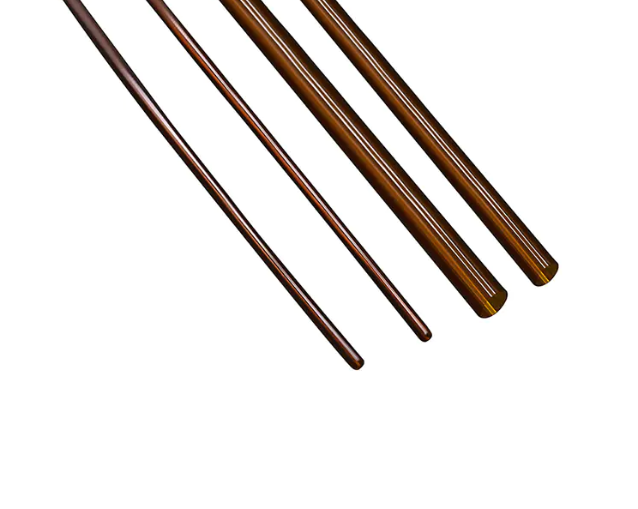
02Apr-2026What Makes Medical Polyimide Tubing Ideal for High-Temperature Applications?Medical polyimide tubing is ideal for high-temperature applications because it maintains structural integrity and electrical insulation at continuous operating temperatures up to 250°C (482°F), while remaining flexible, chemically inert, and biocompatible. Unlike PTFE or nylon alternatives, polyimide combines thermal resilience with ultra-thin wall construction — making it the preferred material for catheter shafts, minimally invasive surgical tools, and neurovascular devices where precision and heat resistance are simultaneously critical. This article explores the thermal, mechanical, and chemical properties that give medical polyimide tubing its edge in demanding clinical environments, backed by technical data and real-world application examples. Thermal Performance: The Core Advantage of Medical Polyimide Tubing The defining characteristic of medical polyimide tubing is its exceptional thermal stability. Polyimide (PI) polymer chains contain aromatic imide linkages that resist thermal degradation far beyond the capability of most flexible medical-grade polymers. Material Continuous Use Temp. Peak Temp. (Short-term) Autoclave Compatible Polyimide (PI) 250°C 300°C+ Yes PTFE 200°C 260°C Yes Nylon (PA12) 100°C 130°C No PEEK 240°C 280°C Yes Table 1: Thermal performance comparison of common medical tubing materials Standard autoclave sterilization cycles operate at 121–134°C. Medical polyimide tubing passes through these cycles without dimensional change, delamination, or loss of mechanical properties — a critical requirement for reusable surgical instruments. (function() { var ctx = document.getElementById('tempChart').getContext('2d'); new Chart(ctx, { type: 'bar', data: { labels: ['Polyimide (PI)', 'PTFE', 'Nylon (PA12)', 'PEEK'], datasets: [{ label: 'Continuous Use Temperature (°C)', data: [250, 200, 100, 240], backgroundColor: ['#0e7c7b', '#38b2ac', '#81e6d9', '#2c7a7b'], borderRadius: 7, borderSkipped: false, }] }, options: { responsive: true, plugins: { legend: { display: true, position: 'top', labels: { font: { size: 14 }, color: '#1a3c40' } }, title: { display: true, text: 'Continuous Use Temperature by Material (°C)', font: { size: 15, weight: 'bold' }, color: '#0e7c7b', padding: { bottom: 10 } } }, scales: { y: { beginAtZero: true, max: 300, ticks: { color: '#1a3c40', font: { size: 13 } }, grid: { color: '#e0f4f4' } }, x: { ticks: { color: '#1a3c40', font: { size: 13 } }, grid: { display: false } } } } }); })(); Ultra-Thin Wall Construction Without Sacrificing Strength One of the most clinically significant properties of medical polyimide tubing is its ability to achieve wall thicknesses as thin as 0.0025 mm (2.5 microns) while maintaining exceptional tensile strength and column rigidity. This is impossible with most thermoplastic tubing materials at comparable outer diameters. For neurovascular and cardiac catheter design, minimizing outer diameter while maximizing inner lumen size is a constant engineering challenge. Polyimide tubing achieves ID/OD ratios that enable: Higher contrast media flow rates without increasing catheter profile Accommodation of guidewires in very small-gauge neurovascular applications Reduced trauma during intravascular navigation Multi-layer laminate construction combining torque transmission with flexibility Tensile strength of medical-grade polyimide film exceeds 170 MPa, enabling structural reliability in demanding interventional procedures. Chemical Resistance and Biocompatibility in Clinical Environments Medical polyimide tubing demonstrates broad chemical inertness, withstanding exposure to: Saline, blood, and biological fluids Contrast agents and irrigation solutions Common sterilization agents: EtO, gamma irradiation, and steam autoclave Most organic solvents and acids at room temperature Biocompatibility is assessed in accordance with ISO 10993 standards. Medical polyimide tubing meets cytotoxicity, sensitization, and hemocompatibility requirements, supporting its use in both short-term contact and implantable device applications. It is worth noting that standard polyimide absorbs moisture over time, which can slightly affect dimensional precision in humid environments. For applications requiring enhanced moisture resistance, fluorinated polyimide variants or PTFE-lined polyimide composite tubes are recommended. Electrical Insulation Properties Supporting Electrophysiology and Ablation Devices Polyimide is one of the few flexible materials that maintains dielectric strength above 150 kV/mm even at elevated temperatures. This makes medical polyimide tubing uniquely suited for: Cardiac electrophysiology (EP) catheters where electrode isolation is critical Radiofrequency (RF) ablation catheter shafts exposed to thermal energy Laser fiber guide tubes in photodynamic and laser therapy devices Implantable lead insulation where long-term electrical performance is required Standard silicone and thermoplastic elastomers show significant dielectric degradation above 150°C. Polyimide maintains near-baseline insulation resistance across its full operating temperature range — a critical safety advantage in energy-based therapies. (function() { var ctx2 = document.getElementById('dielectricChart').getContext('2d'); new Chart(ctx2, { type: 'line', data: { labels: ['25°C', '100°C', '150°C', '200°C', '250°C'], datasets: [ { label: 'Polyimide', data: [160, 158, 155, 152, 148], borderColor: '#0e7c7b', backgroundColor: 'rgba(14,124,123,0.10)', tension: 0.4, pointRadius: 5, fill: true, borderWidth: 2.5 }, { label: 'Silicone', data: [20, 18, 14, 9, 4], borderColor: '#38b2ac', backgroundColor: 'rgba(56,178,172,0.08)', tension: 0.4, pointRadius: 5, fill: true, borderWidth: 2.5, borderDash: [6,3] } ] }, options: { responsive: true, plugins: { legend: { display: true, position: 'top', labels: { font: { size: 14 }, color: '#1a3c40' } }, title: { display: true, text: 'Dielectric Strength vs. Temperature (kV/mm)', font: { size: 15, weight: 'bold' }, color: '#0e7c7b', padding: { bottom: 10 } } }, scales: { y: { beginAtZero: true, ticks: { color: '#1a3c40', font: { size: 13 } }, grid: { color: '#e0f4f4' }, title: { display: true, text: 'kV/mm', color: '#0e7c7b', font: { size: 13 } } }, x: { ticks: { color: '#1a3c40', font: { size: 13 } }, grid: { display: false }, title: { display: true, text: 'Temperature', color: '#0e7c7b', font: { size: 13 } } } } } }); })(); Key Medical Applications of Polyimide Tubing The combination of thermal tolerance, dimensional precision, and biocompatibility positions medical polyimide tubing across a broad spectrum of interventional and diagnostic applications: Neurovascular and Intracranial Devices Micro-catheters used to access distal cerebral vasculature require outer diameters below 2 French (0.67 mm). Medical polyimide tubing enables such precision while maintaining the pushability needed for safe navigation through tortuous anatomy. Cardiac Ablation Catheters RF and cryoablation catheters expose the shaft to repeated thermal cycling. Polyimide tubing withstands these cycles without fatigue cracking — extending device longevity in multi-procedure lab environments. Drug Delivery and Infusion Systems Its chemical inertness prevents drug adsorption or leaching, making medical-grade polyimide tubing appropriate for targeted drug delivery systems, including oncology infusion catheters. Robotic Surgical Instruments Robotic-assisted surgical tools require tubing that combines flexibility with precise torque transmission. Braided polyimide composite tubes deliver controlled stiffness profiles suited to robotic arms operating under repeated sterilization protocols. Manufacturing and Customization Capabilities Effective medical polyimide tubing manufacturers offer OEM/ODM customization across multiple parameters to match device-specific requirements: Parameter Typical Range Application Impact Outer Diameter (OD) 0.1 mm – 6.0 mm Device profile, vessel access Wall Thickness 0.0025 mm – 0.5 mm Lumen size, flexibility Durometer / Stiffness Soft to rigid zones Torque, pushability Inner Lining PTFE, hydrophilic coating Lubricity, drug compatibility Braiding SS, Nitinol, Nylon braid Kink resistance, torque Table 2: Customizable parameters for medical polyimide tubing OEM/ODM production Multi-layer polyimide composite tubing — combining a polyimide outer layer, braided reinforcement, and PTFE liner — represents the most advanced configuration for high-performance catheter shafts used in complex cardiac and neuro interventions. About Ningbo Linstant Polymer Materials Co., Ltd. Ningbo Linstant Polymer Materials Co., Ltd. is a professional OEM/ODM Medical Tubing Manufacturer and Supplier, established in 2014. With a workforce of over 400 employees, the company specializes in the extrusion processing, coating, and post-processing technologies of medical polymer tubing. Our commitment to medical device manufacturers is reflected in our precision, safety, diverse processing capabilities, and consistent product quality — ensuring that every meter of medical polyimide tubing meets the exacting standards of today's interventional and diagnostic device industry. Frequently Asked Questions .faq-item { border: 1px solid #b2dfdb; border-radius: 8px; margin-bottom: 12px; overflow: hidden; transition: box-shadow 0.2s; } .faq-item:hover { box-shadow: 0 4px 18px rgba(14,124,123,0.13); } .faq-question { background: linear-gradient(90deg, #0e7c7b 0%, #38b2ac 100%); color: #ffffff; font-size: 16px; font-weight: bold; padding: 14px 18px; cursor: pointer; display: flex; justify-content: space-between; align-items: center; user-select: none; transition: background 0.2s; } .faq-question:hover { background: linear-gradient(90deg, #0a5f5e 0%, #2c9e98 100%); } .faq-arrow { font-size: 18px; transition: transform 0.3s; display: inline-block; } .faq-answer { background: #f0fafa; color: #1a3c40; font-size: 16px; padding: 0 18px; max-height: 0; overflow: hidden; transition: max-height 0.35s ease, padding 0.25s; } .faq-answer.open { max-height: 300px; padding: 14px 18px; } .faq-arrow.open { transform: rotate(90deg); } Q1: What temperature range can medical polyimide tubing withstand continuously? ▶ Medical polyimide tubing typically supports continuous operation up to 250°C, with short-term exposure tolerance exceeding 300°C. This makes it compatible with autoclave sterilization (121–134°C) and energy-based therapeutic procedures such as RF ablation. Q2: Is medical polyimide tubing biocompatible and safe for patient contact? ▶ Yes. Medical-grade polyimide tubing is evaluated per ISO 10993 biocompatibility standards, covering cytotoxicity, sensitization, and hemocompatibility. It is widely used in intravascular, intracardiac, and neurovascular device applications globally. Q3: Can medical polyimide tubing be customized for specific catheter designs? ▶ Absolutely. OEM/ODM customization is available for outer diameter, wall thickness, multi-layer construction (including PTFE liners or braid reinforcement), stiffness zones, and surface coatings such as hydrophilic or lubricious finishes. Custom lengths and tight-tolerance specifications are standard capabilities for medical device manufacturers. Q4: How does medical polyimide tubing compare to PTFE tubing in high-temperature applications? ▶ Polyimide offers a higher continuous use temperature (250°C vs. 200°C for PTFE), superior tensile strength (over 170 MPa vs. approximately 20–35 MPa for PTFE), and significantly thinner achievable wall thickness. PTFE excels in chemical inertness and lubricity, so composite tubes combining both materials are often used in high-performance catheter designs. Q5: What sterilization methods are compatible with medical polyimide tubing? ▶ Medical polyimide tubing is compatible with ethylene oxide (EtO) sterilization, gamma irradiation, and steam autoclave (121–134°C). It does not deform, delaminate, or lose mechanical properties under standard sterilization cycle conditions, supporting reusable and single-use device formats. function toggleFaq(el) { var answer = el.nextElementSibling; var arrow = el.querySelector('.faq-arrow'); var isOpen = answer.classList.contains('open'); document.querySelectorAll('.faq-answer').forEach(function(a) { a.classList.remove('open'); }); document.querySelectorAll('.faq-arrow').forEach(function(a) { a.classList.remove('open'); }); if (!isOpen) { answer.classList.add('open'); arrow.classList.add('open'); } }
-
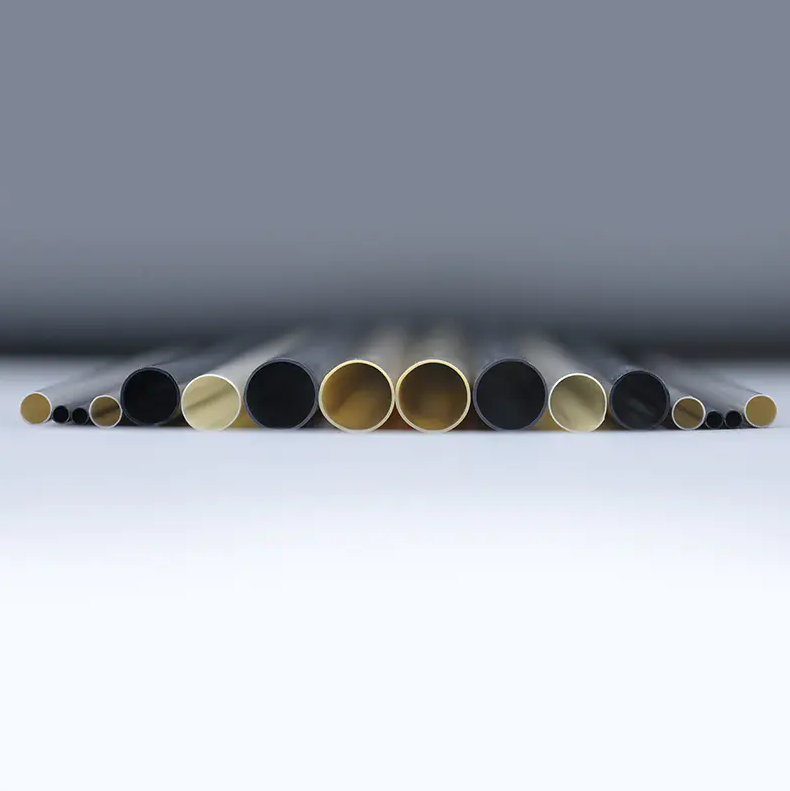
27Mar-2026Why PEEK Tubing Is Hot in Medtech?PEEK Tubing Is Gaining Ground in Medtech — Here's Why PEEK (Polyether ether ketone) tubing has become one of the most sought-after materials in medical device manufacturing. Its unique combination of high-temperature resistance (above 250°C), exceptional mechanical strength, biocompatibility, and chemical inertness makes it virtually irreplaceable in demanding clinical environments. Unlike conventional polymer tubing, PEEK delivers performance that bridges the gap between metals and plastics — a critical advantage as medtech devices grow smaller, smarter, and more complex. From cardiovascular catheters to spinal surgical tools, PEEK tubing is not just a material choice — it's a design enabler. This article breaks down exactly why the medtech industry is leaning into PEEK, what applications it dominates, and what to look for when sourcing it. What Makes PEEK Tubing Stand Out Technically PEEK is a semi-crystalline thermoplastic with a performance profile that few polymers can match. Its adoption in medtech is grounded in measurable material properties: Property PEEK Performance Typical Polymer Benchmark Continuous Use Temperature 250°C+ 80–150°C (PTFE, Nylon) Tensile Strength ~100 MPa 20–60 MPa Sterilization Compatibility Steam, EO, Gamma, E-beam Limited (varies by polymer) Chemical Resistance Excellent (acids, solvents, bases) Moderate Dimensional Stability High (low thermal expansion) Moderate to low Table 1: PEEK tubing vs. common medical-grade polymers on key performance metrics High crystallinity in PEEK directly translates to better thermal stability and improved mechanical load-bearing capacity — both essential in reusable surgical instruments that undergo repeated sterilization cycles. The ability to withstand autoclave conditions repeatedly without dimensional distortion is a decisive factor for many OEMs. Key Medical Applications Driving PEEK Tubing Demand PEEK tubing is not a generalist solution — it thrives in specific high-stakes contexts where conventional materials fall short. Cardiovascular Intervention Catheters In interventional cardiology, catheter shafts must combine pushability, torque transmission, and flexibility — often in sub-millimeter wall thicknesses. PEEK tubing enables high precision in tight inner diameter tolerances, which is essential for guidewire compatibility and contrast media delivery. It also resists kinking under the navigational forces exerted during complex vascular procedures. Endoscopes and Minimally Invasive Devices Endoscopic instruments require tubing that maintains dimensional accuracy under repeated steam sterilization. PEEK's low moisture absorption (less than 0.5%) prevents the swelling and degradation that undermines PTFE or PA tubing over time. This makes it a preferred choice for working channels, insufflation ports, and instrument shafts in rigid and flexible endoscopes. Spinal and Orthopedic Surgery Tools PEEK's radiolucency — it does not interfere with X-ray or MRI imaging — makes it uniquely suited for orthopedic and spinal surgical instruments. Surgeons can visualize the operative field without artifact interference, a critical safety advantage. PEEK tubing is used in guide cannulas, dilators, and irrigation/aspiration systems in these procedures. Urology Catheters Urological catheters must navigate complex anatomy while resisting biological fouling. PEEK's surface smoothness and chemical resistance reduce encrustation and bacterial adhesion compared to softer polymer alternatives. In lithotripsy and ureteroscopy tools specifically, the stiffness-to-wall-thickness ratio of PEEK tubing allows slim profiles without sacrificing structural integrity. Electrosurgical Forceps and Energy Devices PEEK is an excellent electrical insulator with a dielectric strength exceeding 19 kV/mm. In electrosurgical instruments such as bipolar forceps or RF ablation catheters, PEEK tubing serves as the insulating sheath around active electrodes, protecting surrounding tissue and preventing unintended energy discharge. Beyond Medtech: PEEK Tubing in Adjacent Industries While medtech is the headline market, PEEK tubing's thermal and mechanical properties create strong demand in two other sectors: E-cigarette and vaping devices: PEEK tubing is used as an insulating heat-resistant tube within heating element assemblies, where it must maintain dimensional stability under continuous thermal cycling above 200°C. Its low toxicity and chemical inertness are critical safety advantages in consumer-facing applications. Military and aerospace: PEEK tubing is deployed in hydraulic lines, fuel system components, and avionics wiring conduits where weight reduction, flame resistance (PEEK passes UL94 V-0 flammability testing), and vibration tolerance are non-negotiable. Its performance-to-weight ratio rivals metal alternatives in many aerospace subsystems. Sourcing Considerations: What to Look for in a PEEK Tubing Supplier Not all PEEK tubing is manufactured equally. The extrusion process and material formulation significantly impact dimensional tolerances, surface finish, and mechanical consistency. When evaluating suppliers, medtech engineers should assess: Dimensional precision: Wall thickness tolerances of ±0.01 mm or tighter are expected for catheter-grade applications. Verify via traceable quality documentation. Multi-layer and multi-lumen capability: Complex catheter designs often require co-extruded structures. Confirm the supplier can produce single/dual/triple-layer and multi-lumen configurations in PEEK. Reinforcement options: Braided or spiral-wound reinforced PEEK sheaths provide torque control and kink resistance in demanding catheter shafts. Ensure the supplier offers this as an integrated product. Surface treatment availability: Hydrophilic coatings, lubricious finishes, and plasma treatments are often necessary for final device assembly. A vertically integrated supplier reduces lead time and validation burden. Regulatory traceability: ISO 13485 certification, biocompatibility testing per ISO 10993, and full material traceability are baseline requirements for medical supply chains. LINSTANT specializes in precision medical-grade tubing and offers a comprehensive product portfolio that directly addresses these sourcing criteria. Their product range covers extruded single-layer and multi-layer tubing, single and multi-lumen configurations, single/dual/triple-layer balloon tubing, spiral and braided reinforced sheaths, and specialized engineering material tubing including PEEK and PI (polyimide) tubes. LINSTANT also provides a broad array of surface treatment solutions — making them a capable single-source partner for complex catheter and device programs where co-development and tight quality control are essential. PEEK vs. Other High-Performance Polymer Tubings: A Direct Comparison Choosing PEEK over alternatives like PTFE, PI (polyimide), or PEBA depends on the specific device requirements. The table below highlights the key trade-offs: Material Max Temp Stiffness Sterilization Radiolucency Typical Use Case PEEK 250°C+ High All methods Yes Reusable instruments, catheter shafts PTFE 260°C Low Most methods Yes Liners, low-friction coatings PI (Polyimide) 300°C+ Very High Limited Yes Micro-catheters, neurovascular PEBA ~130°C Low–Medium EO, Gamma Yes Balloon catheters, distal tips Table 2: Comparative overview of PEEK vs. common medtech polymer tubing materials PEEK's advantage is most pronounced where structural rigidity, repeated sterilization, and imaging compatibility must coexist. When flexibility is the primary requirement (e.g., distal catheter tips), PEBA or nylon-based materials may be preferred — often used in combination with a PEEK shaft in a co-extrusion or bonded assembly. The Manufacturing Challenge: Precision Extrusion of PEEK PEEK is not easy to extrude. Its melt processing temperature exceeds 380°C, and the narrow processing window demands highly controlled extrusion equipment and experienced process engineers. Common manufacturing challenges include: Thermal degradation if processing temperatures are not precisely managed Achieving tight OD/ID concentricity in thin-wall tubes (wall thickness below 0.1 mm) Maintaining consistent crystallinity across production runs, which directly affects mechanical performance Surface finish uniformity for downstream coating or bonding processes These barriers mean that only a subset of contract manufacturers have the technical capability to consistently produce medical-grade PEEK tubing at scale. When evaluating a supplier, requesting process validation data (IQ/OQ/PQ documentation) and capability indices (Cpk ≥ 1.33 for critical dimensions) provides an objective measure of manufacturing maturity. Outlook: Why PEEK Tubing Demand Will Keep Growing The global PEEK market was valued at approximately USD 845 million in 2023 and is projected to grow at a CAGR of over 7% through 2030, with medical devices among the fastest-growing end-use segments. Several structural trends are reinforcing this trajectory: Miniaturization of devices: As interventional procedures migrate toward less-invasive approaches, tubing profiles shrink while performance expectations stay the same — exactly the trade-off PEEK handles best. Robotics and digital surgery: Robotic-assisted surgical systems impose high torque and axial load requirements on instrument shafts. PEEK tubing supports the stiffness-to-diameter ratios required by these platforms. Reusable instrument demand: Sustainability pressures are pushing some OEMs back toward reusable devices that can withstand hundreds of sterilization cycles — a category where PEEK has no peer among polymers. Expansion of high-growth procedure categories: Structural heart, neuromodulation, and ablation therapies are all expanding, each creating new demand for high-performance catheter shaft materials. For device engineers and procurement teams navigating material selection, PEEK tubing represents a well-validated, high-reliability choice with a track record across the most demanding medical device categories. The key is partnering with a manufacturer equipped to handle its extrusion complexity and meet the documentation standards that medical supply chains require.
-
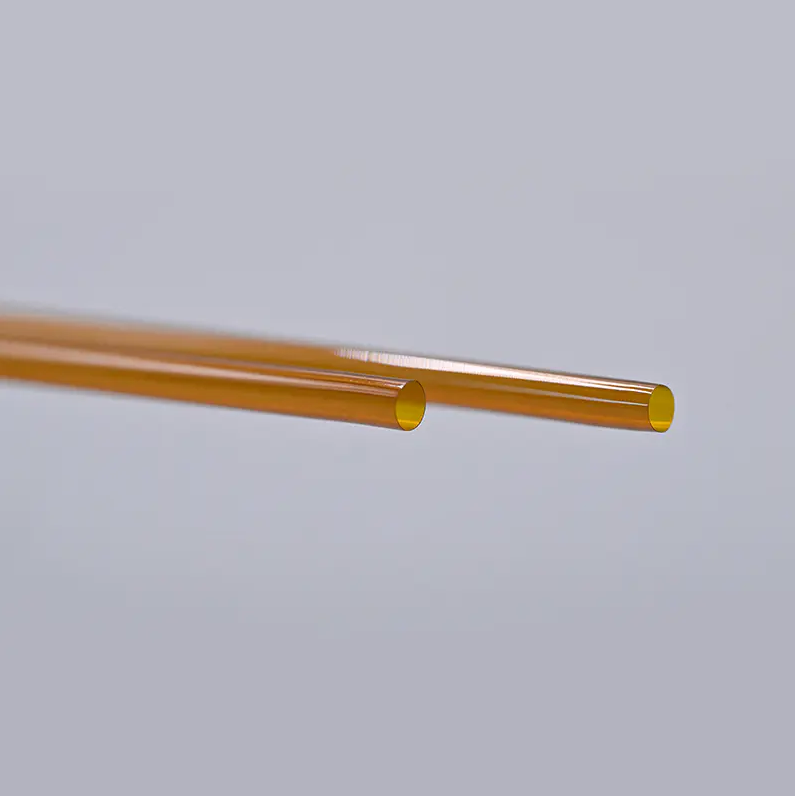
20Mar-2026The Comparison of Polyimide Tubing vs Other Insulation Materials in Medical ApplicationsWhen selecting insulation tubing for medical devices, Polyimide (PI) tubing outperforms most alternatives in high-temperature resistance, dimensional precision, and mechanical strength. For minimally invasive instruments — catheters, endoscopes, stent delivery systems — where tight tolerances and biocompatibility are non-negotiable, PI tubing is often the definitive choice. This article compares PI tubing against PTFE, PEEK, nylon, and silicone across the metrics that matter most in clinical applications. What Makes Polyimide Tubing Uniquely Suited for Medical Devices Polyimide is a high-performance polymer synthesized from aromatic dianhydrides and diamines, producing a material with an exceptional combination of thermal stability, mechanical rigidity, and chemical inertness. In medical tubing, these properties translate directly to functional advantages: Ultra-thin wall construction: PI tubing achieves wall thicknesses as low as 0.013 mm through advanced coating processes, maximizing inner lumen while maintaining structural integrity. Extreme temperature tolerance: Long-term operating temperatures exceed 350°C, with short-term peaks up to 450°C — critical during steam autoclave sterilization cycles. Dimensional stability: The stiff modulus of PI prevents kinking or deformation under catheter navigation forces, essential in tortuous vascular anatomy. Biocompatibility: PI tubing exhibits confirmed biocompatibility, meeting the requirements for implantable and blood-contacting device applications. Direct adhesion: PI bonds directly to nylon and TPU without surface pre-treatment, simplifying multi-layer catheter assembly. LINSTANT's proprietary PI solutions extend these capabilities further by enabling customization of modulus, tensile strength, elongation, and color — allowing device engineers to fine-tune mechanical behavior for specific procedural demands. Polyimide vs PTFE: Dimensional Precision and Structural Rigidity PTFE (polytetrafluoroethylene) is a well-established liner material in catheters, prized for its lubricity and chemical resistance. However, PTFE's mechanical softness and limited structural rigidity make it unsuitable as a standalone structural tube in fine-gauge applications. Key Differences Wall thickness: PTFE tubes typically require walls ≥0.05 mm for structural integrity; PI tubing achieves functional walls at 0.013–0.025 mm, preserving lumen diameter. Tensile modulus: PI has a tensile modulus of ~3–4 GPa vs PTFE's ~0.5 GPa — PI tubing resists deformation under torque and push forces in guidewire and catheter systems. Adhesion: PTFE's non-stick surface requires plasma or chemical etching before bonding; PI bonds directly to TPU and nylon, reducing manufacturing steps. Temperature range: Both handle sterilization temperatures well, but PI's 450°C peak rating provides more headroom for high-energy applications such as electrosurgical instruments. In practice, PTFE is often used as an inner liner for lubricity while PI serves as the structural outer layer — a combination that leverages the strengths of both materials. Polyimide vs PEEK: Performance at Extreme Conditions PEEK (polyether ether ketone) is PI's closest competitor in medical high-performance tubing. Both materials share high modulus, thermal resistance, and biocompatibility, but they diverge significantly in processing, geometry, and specific mechanical profiles. Property Polyimide (PI) PEEK Continuous Use Temperature >350°C ~260°C Minimum Wall Thickness ~0.013 mm ~0.10 mm Tensile Modulus 3–4 GPa 3.6–4.2 GPa Biocompatibility Confirmed Confirmed Direct Bonding (TPU/Nylon) Yes, no pre-treatment Requires surface treatment Available Inner Diameter Range 0.10–5.00 mm 0.25–10 mm (typical) Radiopacity (inherent) Low Low Table 1: Direct property comparison between Polyimide (PI) and PEEK tubing for medical device applications PI's significantly higher continuous-use temperature and ultra-thin wall capability make it the preferred choice for micro-catheter bodies and guidewire hypotube liners. PEEK may be preferred where greater wall thickness is acceptable and processing via extrusion alone is desired. LINSTANT operates dedicated PEEK extrusion lines alongside PI coating lines, giving device engineers access to both technologies under one supplier. Polyimide vs Nylon and TPU: Flexibility vs Structural Performance Nylon (polyamide) and thermoplastic polyurethane (TPU) are workhorses of catheter shaft construction — flexible, easy to extrude in multi-layer configurations, and available in a wide durometer range. They excel in distal catheter sections requiring soft, atraumatic contact with tissue. However, neither material approaches PI's rigidity or thermal performance. Where PI Outperforms Nylon and TPU Pushability: PI's high modulus enables torque transmission over long lengths without buckling — critical in electrophysiology (EP) mapping catheters and stone retrieval basket outer shafts. Temperature resistance: Nylon begins to soften above 150–200°C; TPU above 80–120°C. PI maintains structural integrity well past 350°C, enabling use in RF ablation, laser, and high-frequency ultrasound catheter systems. Wall-to-lumen ratio: For a given outer diameter, PI's thinner walls provide more inner working channel, a key advantage in urology and endoscopy where lumen space is premium. Where Nylon and TPU Are Preferred Distal catheter tips requiring soft, conformable contact with vessel walls or delicate tissue. Multi-lumen catheter bodies where complex cross-sections favor extrusion over coating. Cost-sensitive, high-volume disposable devices where PI's premium cost is not justified. A common high-performance catheter architecture layers PI structural tubing at the proximal shaft, transitioning to nylon or TPU at the distal end — PI's direct adhesion to both materials without surface pre-treatment makes this transition bond reliable and reproducible. Polyimide vs Silicone: Biocompatibility and Mechanical Rigor Silicone is extensively used in implantable medical devices — drainage tubes, balloon catheters, and long-term body contact applications — due to its outstanding flexibility, broad biocompatibility, and hydrophobic surface. Comparing it directly to PI reveals fundamentally different application niches. Rigidity vs flexibility: Silicone durometers typically range from Shore 20A to 80A; PI is rigid (tensile modulus 3+ GPa). Silicone suits long-dwelling soft implants; PI suits precision navigation instruments. Dimensional precision: PI's coating-based manufacturing achieves tighter ID/OD tolerances than silicone extrusion, which is important in guidewire compatibility and device interoperability. Tear resistance: PI significantly outperforms silicone in tear propagation resistance, preventing catastrophic failure in high-stress navigation scenarios. Biocompatibility: Both materials demonstrate biocompatibility; LINSTANT's PI tubing is validated for direct blood-contacting and implantable device use. Medical Application Areas Where Polyimide Tubing Excels PI tubing's property profile makes it the preferred insulation and structural material across several high-precision medical device categories: Vascular and Structural Heart Disease In vascular stent delivery systems and structural heart procedures (TAVR, MitraClip-type devices), PI tubing provides the stiff, thin-walled outer shaft needed to advance and deploy devices through long vascular access paths. Its resistance to kinking under the torque applied by interventionalists is a direct clinical performance factor. Electrophysiology (EP) EP mapping and ablation catheters require precise deflection control, excellent electrical insulation, and the ability to withstand RF energy at the tip. PI's dielectric strength (~220 kV/mm) and thermal resistance make it the standard insulation layer for electrode lead cables and catheter shafts in cardiac EP labs. Endoscopy and Urology In endoscopic catheter shafts and urological instruments such as stone retrieval basket outer tubes, PI's thin wall construction directly increases the working channel diameter within the same outer profile — allowing larger calculi retrieval or better fluid irrigation flow rates. Standard inner diameters from 0.10 to 2.00 mm cover micro-endoscopy applications; LINSTANT's capability to produce PI tubing at inner diameters up to 5.00 mm in volume production extends coverage to larger urological instruments. Neurovascular and Neurology Micro-catheters used in cerebral aneurysm embolization and neurovascular drug delivery demand the smallest possible outer diameter with sufficient pushability to reach distal cerebral vessels. PI is the material of choice for microcatheter bodies in these procedures, where any kink is a procedural complication risk. Customization Capabilities: A Key Differentiator Over Standard Insulation Materials Standard insulation materials like PTFE and silicone are largely commodity products with fixed property ranges. PI tubing, manufactured through proprietary coating processes, allows systematic tuning of mechanical and physical parameters: Modulus adjustment: Different PI formulations or multi-layer coating builds allow engineers to select from a spectrum of stiffness profiles — from relatively flexible PI for atraumatic distal tips to high-modulus PI for proximal shaft pushability. Color coding: Radiopaque or color-coded PI tubing supports procedural visualization and assembly identification — impossible with natural PTFE or clear silicone without additive compounding. Wall geometry: Ultra-thin walls achievable via coating processes are not replicable through extrusion alone, giving PI tubing a unique geometry envelope unavailable with PEEK or nylon. Elongation at break: Adjustable elongation properties allow PI to be tailored for applications where some ductility under strain is needed versus those where maximum rigidity is required. LINSTANT's proprietary PI solutions provide this customization platform, making it possible for device teams to specify a PI tube to match a clinical performance target rather than designing around fixed material properties. Manufacturing Scale and Quality Infrastructure at LINSTANT Sourcing high-performance PI tubing from a supplier with robust manufacturing infrastructure is as important as the material specification itself. Inconsistent dimensional tolerances or lot-to-lot variability in a PI shaft can result in guidewire compatibility failures or assembly rejection rates that undermine device economics. LINSTANT operates nearly 20,000 m² of cleanroom production space built to GMP standards, housing: 15 imported extrusion lines covering single-layer, dual-layer, and three-layer co-extrusion in varied screw sizes 8 dedicated PEEK extrusion lines for high-performance polymer tubing Nearly 100 sets of braiding, coiling, and coating equipment — directly supporting PI tubing production 40 welding and forming units for downstream catheter assembly 2 injection molding lines for component production This integrated infrastructure enables LINSTANT to supply PI tubing from early prototype quantities through validated high-volume production within a single facility and quality system — reducing supplier qualification burden for device manufacturers. LINSTANT's product portfolio extends beyond PI tubing to include single/multi-lumen extrusion tubes, single/dual/triple-layer balloon tubing, braided and coiled reinforced sheaths, and PEEK tubes — providing a single-source solution for complex catheter and interventional device assemblies. Selecting the Right Material: A Decision Framework No single material is optimal for every medical tubing application. The following framework helps device engineers make the initial material selection: Design Requirement Recommended Material Reason Ultra-thin wall, maximum lumen Polyimide (PI) Coating process achieves walls as thin as 0.013 mm High pushability, torque transmission PI or PEEK Both offer 3+ GPa modulus; PI preferred for thinner walls Temperature >260°C continuous Polyimide (PI) PI rated >350°C; PEEK limited to ~260°C Soft, flexible distal tip TPU or Nylon Low durometer options, atraumatic tissue contact Long-term implantable soft tube Silicone Proven long-term implant biocompatibility, flexibility Low friction inner liner PTFE Lowest COF among polymers; ideal for guidewire interfaces Bond PI shaft to nylon/TPU distal section PI (no surface treatment) PI bonds directly without primer or surface activation Table 2: Material selection framework for medical tubing based on primary design requirement For complex catheter systems, the optimal design frequently combines multiple materials — with PI handling proximal shaft rigidity and high-temperature sections, transitioning to nylon or TPU for the distal body, and PTFE as an inner liner throughout. LINSTANT's capability to supply all these materials, including customized PI tubing with tunable mechanical properties, streamlines the vendor landscape for integrated catheter development programs.
-
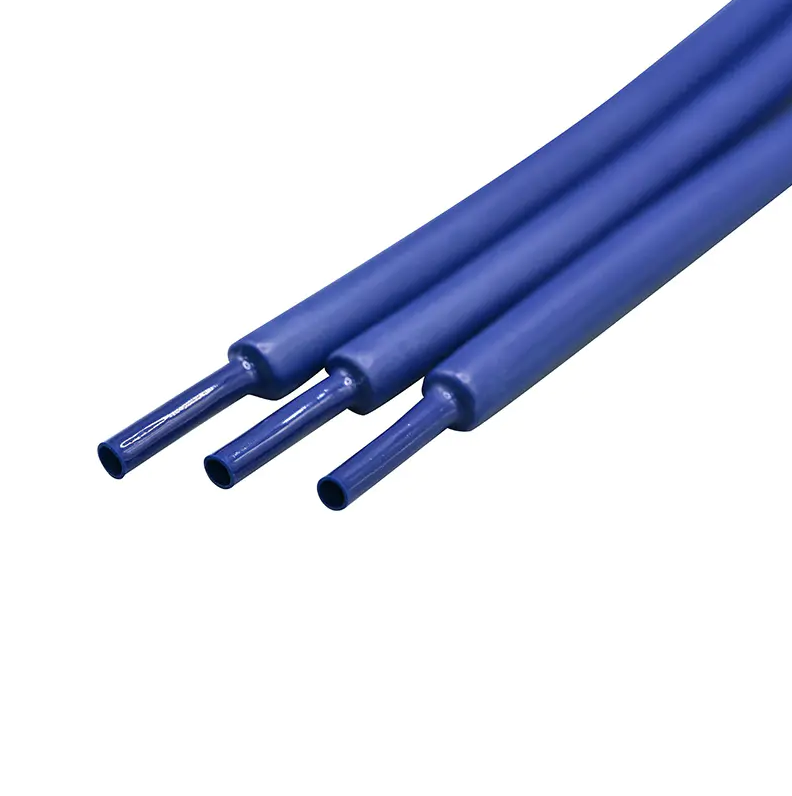
13Mar-2026What is heat shrink tubing used for?Heat shrink tubing is a thermoplastic tube that contracts when exposed to heat, forming a tight, protective sleeve around wires, components, or medical devices. It is used primarily for electrical insulation, mechanical protection, strain relief, bundling, and sealing — and in medical applications, it plays a critical role in catheter construction, device encapsulation, and precise dimensional control of tubing assemblies. Core Functions of Heat Shrink Tubing Heat shrink tubing serves a broad range of functional roles across industries. Understanding these core applications helps engineers and designers choose the right material and wall thickness for their specific needs. Electrical insulation: Covers exposed conductors, solder joints, and terminals to prevent short circuits and protect against voltage up to several kilovolts depending on wall thickness. Mechanical protection: Shields cables and components from abrasion, chemicals, UV radiation, and moisture ingress. Strain relief: Reduces stress at cable entry points, extending the service life of connectors by distributing bending forces over a larger area. Bundling and organization: Groups multiple wires or tubes into a single, manageable assembly. Identification and color-coding: Available in numerous colors for circuit labeling, enabling fast and error-free maintenance. Sealing: Adhesive-lined variants create waterproof, environmental seals around splices and connectors. Heat Shrink Tubing in Medical Device Manufacturing The medical industry represents one of the most demanding application environments for heat shrink tubing. Here, it is not merely a protective sleeve — it is an engineered component with direct patient-safety implications. Medical-grade heat shrink tubing is used in the following critical processes: Catheter Construction and Layer Lamination Heat shrink tubing is applied during catheter assembly to bond layers, control outer diameter, and create smooth, atraumatic profiles. A typical balloon catheter shaft may use a dual-layer shrink process to laminate a braided reinforcement layer onto an inner liner, achieving burst pressures above 20 atm while maintaining the flexibility needed for vascular navigation. Tip Forming and Distal End Shaping Precise heat application through shrink tubing enables consistent tip geometry — crucial for guiding catheters through tortuous vasculature. Tolerances in medical tip forming are often held within ±0.01 mm, requiring tubing with predictable, uniform shrink ratios across every lot. Encapsulation of Sensors and Electronic Components Minimally invasive devices frequently house pressure sensors, thermocouples, or imaging elements at their distal ends. Heat shrink tubing provides a biocompatible enclosure that protects these components from body fluids while maintaining electrical isolation throughout the device's service life. Shaft Transition and Stiffness Gradient Engineering By applying shrink tubing of varying durometers and wall thicknesses at different zones along a catheter shaft, manufacturers engineer a controlled flexibility gradient — stiff proximally for pushability, flexible distally for trackability. This technique is central to modern interventional catheter design and is one of the defining advantages of working with experienced medical tubing specialists. Common Materials and Their Properties The choice of material determines shrink temperature, flexibility, chemical resistance, and biocompatibility. The table below summarizes the most widely used materials in both medical and industrial contexts: Material Shrink Temp (°C) Shrink Ratio Key Advantage Typical Application PET (Polyester) 120–150 2:1 / 4:1 High strength, ultra-thin wall Catheter shaft lamination PTFE 327+ 1.3:1 Lubricity, chemical inertness Liner processing, guidewire sheaths FEP 150–200 1.3:1 Transparency, biocompatibility Medical assembly, encapsulation PEBA / Pebax® 90–130 2:1 Flexibility, wide durometer range Balloon catheters, soft tip forming Polyolefin 70–120 2:1 / 3:1 Low cost, versatile Wire harnessing, general industry Comparison of common heat shrink tubing materials and their primary medical and industrial applications Key Parameters to Specify When Selecting Heat Shrink Tubing Selecting the wrong tubing can result in processing failures, delamination, or dimensional non-conformance. The following parameters must be clearly defined before procurement or process development: Supplied (expanded) inner diameter: Must be larger than the substrate OD to allow easy loading without distorting the substrate. Recovered (shrunk) inner diameter: Must match the final target dimension of the finished assembly after full thermal shrinkage. Recovered wall thickness: Determines mechanical strength and how much the tubing contributes to the overall OD of the finished device. Shrink ratio: Common ratios are 2:1, 3:1, and 4:1; higher ratios offer more substrate coverage flexibility across varying diameters. Activation temperature: Must align with the heat tolerance of underlying materials and any pre-applied adhesives or coatings. Biocompatibility certification: ISO 10993 compliance is mandatory for any material in patient-contact medical applications. Industrial and Aerospace Applications Beyond medical devices, heat shrink tubing is foundational to wire harness manufacturing in automotive, aerospace, and industrial automation. In aerospace, MIL-DTL-23053 governs heat shrink tubing specifications, requiring flame retardancy, fluid resistance, and continuous service temperatures from −55°C to +150°C or above. Automotive applications use adhesive-lined polyolefin to weatherproof under-hood connectors, where vibration and thermal cycling impose both mechanical and chemical stress simultaneously. In industrial robotics, flexible heat shrink protects cable runs at articulation joints that may undergo tens of millions of flex cycles across a machine's service life. How LINSTANT Applies Heat Shrink Technology in Medical Polymer Tubing LINSTANT has been dedicated to medical polymer tubing since its founding in 2014, specializing in extrusion processing, coating, and post-processing technologies for medical device manufacturers worldwide. The company's core work directly intersects with heat shrink tubing applications: catheter shaft construction, balloon tube lamination, and stiffness-gradient engineering all depend on the kind of precise shrink process control that LINSTANT has developed over more than a decade of focused manufacturing experience. LINSTANT's product portfolio addresses the full spectrum of catheter and medical tubing construction needs: Single-layer and multilayer extruded tubing for catheter shaft construction Single-lumen and multi-lumen configurations for complex, multi-function catheter designs Single-layer, dual-layer, and triple-layer balloon tubing — a core application where heat shrink lamination directly determines balloon burst strength, compliance profile, and dimensional consistency Spiral and braided reinforced sheaths engineered for pushability and torque transmission in vascular access devices PEEK and Polyimide (PI) tubing for demanding engineering applications requiring extreme chemical and thermal resistance Surface treatment solutions including hydrophilic coatings, which are often applied after the shrink process to enhance lubricity in vascular and urological devices LINSTANT's commitment to medical device manufacturers is built on precise process development capabilities and stable, repeatable production output — two qualities that are non-negotiable when heat shrink tubing functions as a structural component in life-critical devices where dimensional variance of even a few microns can affect clinical outcomes. Best Practices for Applying Heat Shrink Tubing in Medical Manufacturing Achieving consistent results — particularly in medical device production — requires disciplined process controls at every stage of heat shrink application: Use calibrated heat sources: Heat guns, ovens, and mandrel-based reflow systems must be calibrated to ±5°C or better to ensure uniform shrinkage without over-processing underlying materials. Control mandrel dimensions precisely: The mandrel OD determines the recovered ID of the finished assembly; dimensional variation in the mandrel is a primary source of non-conformance in catheter lamination. Pre-dry hygroscopic materials: Materials such as Pebax® absorb ambient moisture, which can cause voids or surface defects during shrink processing; pre-drying at 60–80°C for 4–8 hours is standard practice before processing. Validate shrink profiles with first-article inspection: Measure recovered OD, wall thickness, and surface quality on the first production units before committing to a full manufacturing run. Document and control cool-down rates: Rapid cooling can lock in residual stress; controlled, gradual cooling supports dimensional stability, particularly in multi-layer catheter laminations where different materials have differing coefficients of thermal expansion. Frequently Asked Questions About Heat Shrink Tubing What shrink ratio is best for medical catheter lamination? For most catheter lamination processes, a 2:1 PET shrink tube with a thin recovered wall (0.0005″–0.002″) is the standard choice. A 4:1 ratio is used when the expanded diameter needs to accommodate a wide range of substrate sizes, such as in facilities producing multiple catheter sizes on a shared fixture. Can heat shrink tubing bond layers together without adhesive? In many catheter lamination processes, the compressive force of the shrinking tube — combined with the heat that softens the underlying polymer layers — is sufficient to create a laminate bond without separate adhesive. However, for applications requiring a hermetic seal or where layer materials are chemically incompatible, adhesive-lined heat shrink or tie-layer coextrusion is used. Is all heat shrink tubing biocompatible for medical use? No. ISO 10993 testing — covering cytotoxicity, sensitization, and hemocompatibility — is required for any material with patient contact. FEP, PTFE, and specific grades of Pebax® and polyolefin have established biocompatibility profiles, but lot-specific documentation is required for regulatory submissions to the FDA or CE marking bodies. How thin can heat shrink tubing walls be in precision medical applications? Ultra-thin PET heat shrink tubing with recovered wall thicknesses of 0.0005″ (12.7 µm) is achievable for precision catheter work where minimizing added OD is critical — particularly in neurovascular catheters with working diameters under 3 French, where every micron of added wall thickness directly affects the device's trackability through cerebrovascular anatomy.
-
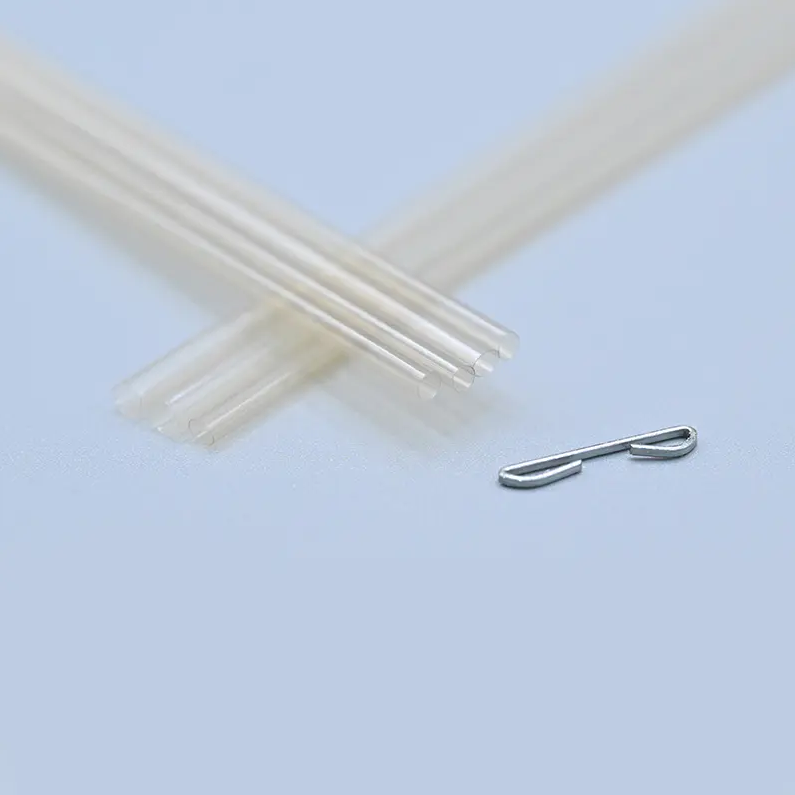
06Mar-2026What are the applications and advantages of PTFE Etched Tube?PTFE Etched Tube is primarily used in high-precision medical device manufacturing, including cardiovascular catheters, vascular stents, and neural implants. Its core value lies in combining ultra-low friction with outstanding biocompatibility and chemical resistance—making it indispensable wherever tubing must glide smoothly inside the human body without triggering adverse reactions. Applied via chemical etching to catheter outer diameters and used alongside FEP heat-shrink tubing, PTFE Etched Tube forms a durable inner lumen lining that dramatically reduces friction while maintaining structural integrity. What Is PTFE Etched Tube and How Is It Made? PTFE (Polytetrafluoroethylene) Etched Tube is a specialized fluoropolymer tube whose outer surface has been chemically treated to enhance bonding capability. In its natural state, PTFE is notoriously difficult to bond to other materials due to its non-stick properties. Chemical etching—typically using sodium naphthalene or similar reagents—modifies the surface at the molecular level, creating reactive sites that allow adhesives and coatings to form a strong bond. In medical device applications, the etched PTFE tube is coated onto the outer diameter (OD) of catheters and then paired with FEP (Fluorinated Ethylene Propylene) heat-shrink tubing. When the FEP shrinks under heat, it encapsulates the PTFE liner and locks it tightly in place, forming a smooth, low-friction inner lumen. This two-material construction is widely used across interventional and surgical catheters. Key Applications of PTFE Etched Tube PTFE Etched Tube is used extensively across cardiovascular and neurosurgical disciplines, where precision and biocompatibility are non-negotiable. Below are the primary application areas: Cardiovascular Catheters In cardiac catheterization procedures, the catheter must navigate tortuous arterial pathways with minimal resistance. PTFE Etched Tube provides the low-friction inner lining that allows guide wires and balloon catheters to advance smoothly, reducing procedural time and minimizing vessel trauma. Its chemical inertness ensures it does not react with contrast media, saline flushes, or blood components. Vascular Stent Delivery Systems Stent delivery catheters require precise pushability and trackability. The PTFE liner reduces the friction between the stent and the catheter wall, enabling controlled, accurate stent deployment. In coronary and peripheral vascular interventions, this can be the difference between a successful placement and a procedural complication. Neural Implants and Neurosurgical Devices In neurosurgery, PTFE Etched Tubes are used in deep brain stimulation (DBS) leads, ventricular shunts, and other neural implants. The material's excellent dielectric insulation (dielectric strength approximately 60 kV/mm) protects sensitive electrical signals, while its biocompatibility minimizes tissue reactivity over long-term implantation periods. Diagnostic and Interventional Endoscopy PTFE-lined working channels in endoscopes and bronchoscopes benefit from the material's chemical resistance, especially when exposed to enzymatic cleaning agents and disinfectants. The non-stick surface also prevents biological deposits from adhering to the lumen wall. Drug-Coated Balloon (DCB) Catheters In drug-eluting balloon systems, the PTFE liner ensures smooth balloon folding and unfolding during inflation while remaining chemically inert to the drug coating, preserving drug efficacy during delivery. Six Core Advantages of PTFE Etched Tube The following table summarizes the six primary performance advantages and their relevance to medical device engineering: Table 1: Core performance advantages of PTFE Etched Tube and their medical device relevance Advantage Key Parameter Application Benefit Optimal Lubricity Coefficient of friction as low as 0.04 Smooth catheter navigation in vessels Biocompatibility ISO 10993 compliant Safe for long-term implantation Dielectric Insulation ~60 kV/mm dielectric strength Signal integrity in neural implants Chemical Resistance Resistant to virtually all solvents and acids Stable in sterilization and cleaning processes Weather Resistance Stable from -200°C to +260°C Reliable in sterilization (EtO, gamma, autoclave) Flame Retardancy UL94 V-0 rated Enhanced safety in electrosurgical environments Optimal Lubricity PTFE has one of the lowest coefficients of friction of any solid material, typically between 0.04 and 0.10 depending on load and speed. For catheter-based interventions, this means reduced insertion force, less patient discomfort, and lower risk of vessel perforation during complex navigation. When etched and combined with FEP over-tubing, this lubricity is maintained while bonding strength is significantly improved. Biocompatibility PTFE is classified as a biologically inert material and has been used in implantable devices since the 1950s. It does not trigger inflammatory responses, does not absorb proteins readily, and is resistant to bacterial adhesion. PTFE Etched Tubes used in cardiovascular and neural applications must meet ISO 10993 biocompatibility standards, which evaluate cytotoxicity, sensitization, and systemic toxicity—criteria that PTFE consistently satisfies. Dielectric Insulation With a dielectric constant of approximately 2.1 and dielectric strength near 60 kV/mm, PTFE Etched Tube provides excellent electrical insulation. This is critical in neural stimulation leads and electrophysiology catheters, where signal leakage could compromise device performance or cause unintended tissue stimulation. Chemical Resistance PTFE is chemically inert to nearly all known solvents, acids, and bases—including concentrated sulfuric acid, hydrofluoric acid, and most organic solvents. This makes PTFE Etched Tubes compatible with aggressive sterilization agents and contrast media used in imaging-guided procedures. Device manufacturers benefit from longer shelf life and stable performance across multiple sterilization cycles. Weather and Temperature Resistance PTFE maintains its mechanical and chemical properties across an exceptional temperature range, from -200°C to +260°C. This stability means devices retain their dimensional accuracy and surface properties through ethylene oxide (EtO), gamma irradiation, and autoclave sterilization—all common methods in medical device manufacturing. Flame Retardancy PTFE achieves a UL94 V-0 flame retardancy rating, meaning it self-extinguishes within 10 seconds after a flame source is removed and does not drip flaming particles. In electrosurgical and energy-based catheter applications, this property is a critical safety factor, especially in operating room environments where ignition risks must be minimized. PTFE Etched Tube vs. Other Catheter Liner Materials Device engineers often compare PTFE with alternative liner materials. The table below provides a direct comparison: Table 2: Material comparison for catheter inner liner applications Material Friction Coefficient Biocompatibility Max Temp (°C) Chemical Resistance Bondability (Etched) PTFE (Etched) 0.04–0.10 Excellent 260 Excellent High (after etching) FEP 0.10–0.20 Good 200 Good Moderate Nylon (PA) 0.15–0.40 Good 120 Moderate High PEEK 0.35–0.45 Excellent 250 Good High PTFE's combination of the lowest friction and broadest chemical resistance, paired with post-etching bondability, makes it the preferred choice for inner catheter liners—particularly in complex, minimally invasive procedures where guide wire performance is critical. Design Considerations When Specifying PTFE Etched Tube Engineers specifying PTFE Etched Tube for catheter or implant applications should evaluate the following parameters: Wall thickness: Thinner walls (e.g., 0.001"–0.003") reduce the outer diameter footprint while maintaining lubricity; critical for high-French-count catheter designs. Etching depth and uniformity: Insufficient etching reduces adhesion to FEP or adhesive layers; over-etching can compromise mechanical properties. Consistent surface activation across the tube length is essential. Dimensional tolerances: Inner and outer diameter tolerances directly affect lumen patency and compatibility with guide wires (e.g., 0.014", 0.018", 0.035" standard sizes). FEP heat-shrink compatibility: Shrink ratio, shrink temperature, and wall thickness of the FEP over-tubing must be matched to the PTFE liner to ensure a consistent, void-free bond. Sterilization method: PTFE is compatible with EtO, gamma, and e-beam sterilization, but device manufacturers should validate that the specific tube lot maintains dimensional stability post-sterilization. Why Choose LINSTANT for PTFE Etched Tube Manufacturing LINSTANT operates nearly 20,000 square meters of cleanroom manufacturing space, fully compliant with GMP requirements—an essential foundation for producing medical-grade PTFE Etched Tubes that meet the stringent requirements of cardiovascular and neurosurgical device makers. Our production infrastructure is purpose-built for precision fluoropolymer tube manufacturing and includes: 15 imported extrusion lines with diverse screw sizes and single-layer, dual-layer, and three-layer co-extrusion capabilities—enabling tight-tolerance PTFE tube production across a wide dimensional range. 8 dedicated PEEK extrusion lines, reflecting our expertise in high-performance polymer processing that extends to PTFE and fluoropolymer families. 2 injection molding lines, supporting end-component fabrication for complete catheter assembly. Nearly 100 braiding, coiling, and coating equipment sets, critical for producing reinforced catheter shafts that integrate PTFE liners. 40 welding and forming equipment sets, supporting tip forming, bonding, and assembly operations. This integrated manufacturing ecosystem means that LINSTANT can support not just the supply of PTFE Etched Tube as a raw material, but also its downstream integration into finished or semi-finished catheter assemblies—reducing supply chain complexity for device OEMs. Our capacity ensures reliable order fulfillment even for high-volume or multi-SKU programs, making LINSTANT a strategic manufacturing partner for global medical device companies. PTFE Etched Tube delivers a unique combination of performance properties—optimal lubricity, biocompatibility, dielectric insulation, chemical resistance, temperature stability, and flame retardancy—that no other single material currently matches for catheter inner lumen applications. Whether used in cardiac catheterization, vascular stent delivery, or neural implants, the etched surface enables reliable bonding with FEP heat-shrink tubing, transforming a notoriously non-adhesive material into a precision-engineered, bondable liner. As minimally invasive procedures continue to grow in complexity and patient populations expand globally, the demand for high-performance PTFE Etched Tube will only increase.
 CONTACT US
If you are interested in our products, please contact us
- CONTACT DETAILS
- Address : 5 Oak Park Dr, Bedford, MA 01730
- Tel: +86-13061789249
- Email: [email protected]
- The information provided on this website is intended for use only in countries and jurisdictions outside of the People's Republic of China.
- PRODUCTS
- Medical Extruded Tubing
- Medical Reinforced Tubing
- Polyimide
- PEEK
- Balloon Tubing
- Micro Catheter
- Secondary Processes
- Heat Shrink Tube
- Fluoropolymer Medical Tubing
- Endoscope
- Negative Pressure Access Sheath
- Guiding Catheter
- Angiographic Catheter
- High Pressure Braided Tubing
- Medical Tubing Surface Treatment Process
- NEWS CENTER
- Industry News
- Company News
- MOBILE TERMINAL

