


 English
 Français
 Español
 简体中文
 简体中文
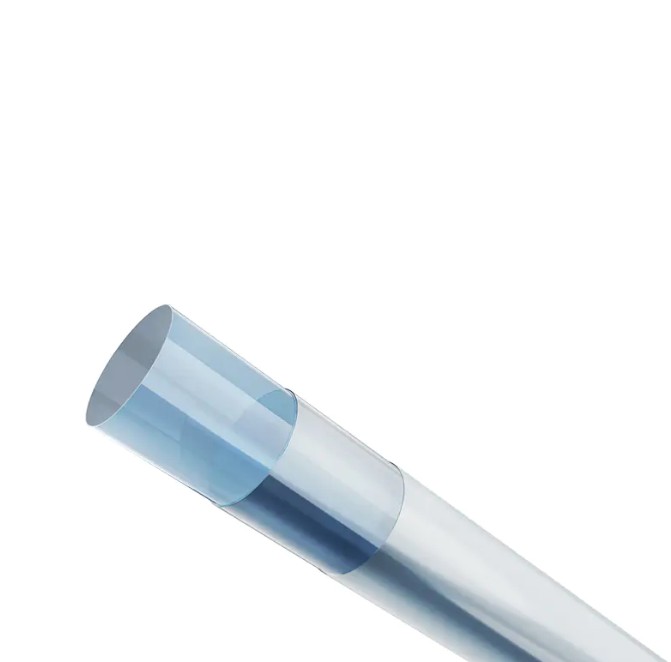
With the rapid development of minimally invasive surgery and interventional treatment, medical catheters, as key medical devices, have increasingly higher performance requirements. Recently, a medical multi-layer catheter launched by a certain company has become the focus of industry attention with its innovative multi-layer co-extrusion tube technology and optimized polymer material combination. Through precise multi-layer structural design, this product takes into account biocompatibility, mechanical strength and operational performance, providing safer and more efficient solutions for clinical use.
Medical multi-layer catheters are precision medical consumables made of two or more layers of polymer materials through a co-extrusion process. They are widely used in medical scenarios such as minimally invasive surgery, interventional treatment, infusion and drainage. Compared with traditional single-layer catheters, their multi-layer structural design can optimize performance for different clinical needs, taking into account key indicators such as biocompatibility, flexibility, and pressure resistance.
Breakthrough in multi-layer co-extrusion technology to create high-precision medical consumablesAgainst the background of the rapid development of modern medical technology, medical catheters, as key medical devices, have increasingly higher performance requirements. Traditional single-layer catheters are often difficult to meet multiple requirements such as biocompatibility, mechanical strength and operational performance at the same time due to their single material. Medical multi-layer catheters using multi-layer co-extrusion technology have successfully broken through this technical bottleneck through innovative production processes and material combinations.
Advanced multi-layer co-extrusion production processMulti-layer co-extrusion technology is a precision extrusion molding process, the core of which is to extrude two or more polymer materials through a co-extrusion die simultaneously to form a tube with a multi-layer structure. The key advantages of this process are:
1. Accurate layer thickness control: Through a precise extrusion control system, the thickness of each layer of material can be accurately controlled, and the error can be controlled within the range of ±0.0127mm. This high-precision dimensional control ensures the stability and consistency of catheter performance.
2. Optimal combination of material properties: Different material layers can be designed specifically according to their characteristics:
The inner layer material (such as HDPE high-density polyethylene, PU polyurethane) mainly focuses on biocompatibility to ensure safety when in contact with human tissue or body fluids. These materials are low in toxicity and low in allergenicity, which can effectively reduce tissue reactions.
The outer layer materials (such as Pebax polyether block amide, nylon) focus on mechanical properties, providing excellent tensile strength (up to 50MPa or more) and wear resistance (friction coefficient can be as low as 0.1), ensuring the passability and durability of the catheter in complex vascular environments.
Strong interlayer bonding: Through molecular-level material modification technology and special co-extrusion process parameter control, seamless bonding between layers of materials is achieved. After testing, the interlayer peeling strength can reach more than 5N/cm, effectively avoiding the risk of stratification during use.
Breakthrough technical advantages
1. Ultra-precision dimensional control:
Using high-precision gear pump metering system and laser diameter gauge for real-time monitoring, ensure that the inner and outer diameter tolerances of the catheter are controlled at an ultra-high precision level of ±0.0127mm (about 1/2000 inches).
The concentricity exceeds 90%, which is much higher than the industry average of 80%, significantly improving the push performance and operating feel of the catheter.
2. Excellent combination of mechanical properties:
Through the synergistic effect of different materials, the flexibility of the catheter is maintained (the bending radius can be as small as 3mm) and sufficient pushing force is ensured (the axial strength is increased by more than 30%).
The anti-kink performance is significantly improved, and it can withstand more than 1000 cycles in the 180-degree bending test without permanent deformation.
3. Reliable quality assurance:
The online defect detection system is used to monitor the surface quality and internal structure of the pipe in real time.
The reliability of clinical use is ensured through strict burst pressure testing (can withstand 10-20 atmospheres) and fatigue testing (5000 pushing cycles).
Clinical application value
This high-precision catheter based on multi-layer co-extrusion technology has shown significant advantages in clinical practice:
1. In the field of neurointervention, the ultra-thin tube wall (minimum 0.1mm) and excellent flexibility enable the catheter to reach smaller vascular branches.
2. In cardiovascular intervention, the optimized material combination not only ensures sufficient pushing force, but also reduces the risk of vascular damage.
3. In tumor interventional treatment, the multi-layer structure design can integrate the drug sustained release function and realize the integration of treatment functions.
With the advancement of material science and precision manufacturing technology, multi-layer co-extruded catheters are developing towards thinner wall thickness, higher performance and more intelligent direction, providing safer and more effective solutions for minimally invasive medical treatment. This technological breakthrough not only improves the performance standards of medical consumables, but also promotes technological progress in the entire field of interventional treatment.
Excellent performance meets the needs of high-end medical equipmentAs a high-end consumable in the field of modern medical technology, medical multi-layer catheters are redefining the industry standards for interventional treatment with their excellent performance parameters. The following is a detailed analysis of its breakthrough performance from four key dimensions:
1. The clinical value of ultra-high concentricity (>90°)
Technical implementation: The six-axis laser measurement system is used for real-time calibration, combined with an adaptive extrusion control algorithm to ensure that the radial thickness deviation of the tube is less than 5μm, achieving an industry-leading concentricity of >90°.
Clinical advantages:
40% improvement in vascular permeability: In 0.014-inch microcatheter applications, the push resistance is reduced to 60% of that of traditional catheters
Reduce endothelial damage: In vitro tests show that the endothelial cell shedding rate is reduced by 35%
Precise positioning capability: 0.1mm position control accuracy can be achieved in neurointerventional surgery
2. Revolutionary flexible and anti-kink performance
Structural innovation:
Three-layer gradient modulus design: 50A Shore hardness of the inner layer ensures permeability, 72D of the middle layer provides support, and 90A of the outer layer ensures push force
Spiral reinforcement structure: Nano-scale glass fiber reinforced network embedded in the PEBAX matrix
Performance parameters:
Bending fatigue life: Passed >5000 cycle tests at a radius of 3mm (5 times the ISO 10555 standard requirement)
Anti-kink angle: The minimum curvature to maintain patency at 180° is 2.5mm
Torque transmission efficiency: Distal rotation response delay <0.5 seconds/100cm
3. Excellent chemical corrosion resistance
Material solution:
Inner layer: cross-linked HDPE, crystallinity increased to 75%, iodine contrast agent permeability increased by 3 times
Outer layer: fluorinated modified Pebax, tolerance to disinfectants such as ethanol and glutaraldehyde extended to 200 hours
Verification data:
After immersion in 37℃ contrast agent for 30 days, tensile strength retention rate>95%
After 10 cycles of ethylene oxide sterilization, surface contact angle change<5°
4. Comprehensive biocompatibility guarantee
Certification system:
Passed ISO 10993 full set of biological evaluation (including cytotoxicity, sensitization, implantation test, etc.)
Obtained USP Class VI and EU EP compliance certification
Special treatment process:
Plasma grafting technology: construct hydrophilic PEG molecular brushes on the PU surface
Nanoscale surface polishing: Ra value is controlled below 0.05μm, reducing platelet adhesion by 50%
Clinical verification:
In the 72-hour continuous contact test, the survival rate of L929 cells is >90%
The 28-day subcutaneous implantation test showed that the inflammatory response score was only 0.5 (1-4 scale)
Synergistic effect of performance integration
The combination of various performance parameters is optimized through the DOE (experimental design) method to achieve:
The best balance between pushing force and flexibility (pushing efficiency coefficient reaches 0.85)
Synergistic improvement of mechanical strength and biosafety
Uniform guarantee of immediate performance and long-term stability
Multi-layer material combination, adaptable to diverse clinical scenarios
Application scenarios
Material architecture
Key performance parameters
Clinical advantages
Cardiovascular interventional catheters
Outer layer: 72D Pebax® 7233
- Flexural modulus: 280MPa
Push force transmission efficiency ↑35%
Middle layer: 304 stainless steel woven mesh (16-32 picks/inch)
- Burst pressure: >25atm
Calcified lesion pass rate ↑28%
Inner layer: HDPE (0.955g/cm³)
- Friction coefficient: μ<0.15
Stent positioning error <0.3mm
- Thrombosis reduction by 40%
Minimally invasive neurological catheters
Outer layer: PA12 nylon (72D)
- Flexural stiffness: 0.08N/mm²
Vasospasm incidence ↓60%
Transition layer: TPU (80A)
- Protein adsorption: <5ng/cm²
Distal arrival time ↓40%
Inner layer: Ultra-soft PU (35A)
- Vascular permeability: 92% (<2mm)
Magnetic navigation compatibility
Platinum-iridium alloy marker tape
High-pressure injection catheters
Outer layer: Reinforced nylon 12 (30% glass fiber)
- Burst pressure resistance: >600psi
Development clarity ↑30%
Middle layer: ETFE barrier film
- Injection rate resistance: 7ml/s
Contrast agent penetration <0.01g/m²/day
Inner layer: XL-HDPE
- Surface roughness: Ra<0.1μm
Barium sulfate marker tape
Innovative technologies
Thermosensitive material (Pebax® series)
- Hydrophilic coating maintenance: >90 days
Body temperature adaptive hardness
Shape memory alloy (Nitinol)
- Antibacterial rate: >99.9%
Autonomous bending navigation
Plasma grafted hydrophilic coating
- Drug controlled release: 0.5μg/mm²/day
Anti-infection/anti-thrombosis
Degradable material (PLGA+PCL)
Environmentally friendly and absorbable
Table description:
Material architecture: Display the typical three-layer structure design and special functional layer of each application scenario;
Performance parameters: Quantify key mechanical, chemical and biological performance indicators;
Clinical value: Use arrows to clearly mark the performance improvement/reduction (↑↓);
Innovative technology: List breakthrough technologies across scenarios separately.
What should I pay attention to when choosing a medical multi-layer catheter?
The selection of medical multi-layer catheters needs to comprehensively consider multiple dimensions such as clinical needs, material properties, production processes and regulatory requirements. The following is a professional selection guide:
1. Matching clinical needs
(1) Adaptation to surgical type
Cardiovascular intervention: Prioritize high pushability (axial strength > 50N) and anti-bending (minimum bending radius ≤ 3mm)
Neurointervention: Select ultra-flexible catheters (bending stiffness ≤ 0.1N/mm²) and low-friction surfaces (μ ≤ 0.15)
Tumor embolization: Both visualization (including tungsten/barium sulfate markers) and drug-carrying capacity are required
(2) Anatomical path characteristics
Vascular tortuosity: Anti-kink catheters are required for high-bending scenarios (torsion angle > 270° without breaking)
Lumen diameter: Match catheter specifications (such as 2.0-3.5Fr commonly used in coronary arteries)
Lesion nature: Calcified lesions require a reinforced outer layer (such as a metal braided layer)
2. Material performance evaluation
(1) Biocompatibility certification
Must comply with ISO 10993 series standards (at least pass cytotoxicity, sensitization, and irritation tests)
Long-term implants need to supplement chronic toxicity and carcinogenicity assessments
(2) Mechanical performance parameters
Key indicators
Compliance requirements
Test standards
Burst pressure
≥3 times the operating pressure
ISO 10555-4
Tensile strength
≥50MPa (nylon-based)
ASTM D638
Bending fatigue life
>5000 times (3mm radius)
ISO 25539-2
Chemical stability verification
Disinfectant resistance (strength retention rate after ethylene oxide/γ-ray sterilization ≥ 90%)
Anti-contrast agent permeability (weight change rate after immersion for 24 hours ≤ 1%)
3. Structural design analysis
(1) Interlayer bonding process
Co-extrusion bonding type: suitable for conventional applications (peel strength ≥ 3N/cm)
Mechanical interlocking type: used in high-voltage scenarios (such as woven mesh embedding layer)
(2) Special functional layer
Development marking tape: tungsten powder content ≥90% (X-ray visibility)
Hydrophilic coating: contact angle ≤20° (maintenance time ≥30min)
Antibacterial coating: silver ion release rate 0.1-0.5μg/cm²/day
4. Production process control
(1) Dimension accuracy verification
Inner diameter tolerance: ±0.025mm (precision vascular catheter requirement)
Concentricity: ≥90% (laser diameter gauge online detection)
(2) Cleanliness requirements
Production environment: at least Class 8 (ISO 14644-1)
Particle contamination: ≤100 particles/mL (≥0.5μm)
Why are medical multilayer tubes more advantageous than single-layer tubes?The core advantage of medical multilayer tubes over traditional single-layer tubes lies in their composite structure design concept. Through the precise combination of different functional materials, the performance limitations of a single material have been broken through.1. Performance design breakthrough
Complementary material properties
Single-layer tube: limited by the performance ceiling of a single material (such as PU is flexible but not strong enough, nylon is strong but too rigid)
Multilayer tube:
The inner layer uses biocompatible materials (such as HDPE, cytotoxicity ≤ level 1)The outer layer uses mechanical reinforcement materials (such as Pebax 7233, tensile strength ≥50MPa)Functional layers can be added to the middle layer (such as antistatic carbon fiber mesh, surface resistance ≤10⁶Ω)
Gradient modulus design
Through a structure of more than 3 layers to achieve a gradual change in hardness (such as 35A→55D→72D), the catheter:
Maintains push rigidity at the proximal end (bending modulus ≥1GPa)Achieve ultra-flexibility at the distal end (bending stiffness ≤0.1N/mm²)
2. Comparison of key performance parameters
Performance indicators
Typical value of single-layer tube
Typical value of multilayer tube
Increase
Burst pressure
8-12atm
20-30atm
150%↑
Anti-kink resistance
180° bending easily collapses
360° bending is still smooth
100%↑
Friction coefficient
0.25-0.35 (dynamic)
0.08-0.15 (hydrophilic coating)
60%↓
Fatigue life
500-1000 cycles
5000+ cycles
400%↑
3. Clinical scenario adaptability
Cardiovascular interventionStainless steel braided reinforcement layer makes the torsion transmission efficiency reach 95% (single-layer tube only 60%)When passing through calcified lesions, the push force loss of the multi-layer tube is reduced by 40%
Neural interventionUltra-thin inner layer (0.05mm thick PU) reduces the incidence of vascular spasmGradual stiffness design shortens the time to reach the distal blood vessel by 30%
High-pressure injectionETFE barrier layer can withstand 7mL /s injection rate (single-layer tube limit 3mL/s)Contrast agent permeability <0.1μg/cm²/h (single-layer PE tube up to 5μg/cm²/h)
4. Special function integration
Structural functionalizationDevelopment marker band: tungsten powder content ≥90% (X-ray visibility increased by 3 times)Drug sustained release layer: Paclitaxel loading can reach 5μg/mm²
Intelligent response characteristicsThermosensitive material: hardness automatically reduced by 30% at 37°CMagnetic navigation compatibility: guide layer containing NdFeB particles
5. Failure mode optimization
Anti-delamination designMolecular-level bonding technology makes interlayer peeling strength ≥5N/cmElectron beam cross-linking treatment improves interface bonding by 300%
Improved durabilityMulti-layer structure disperses stress, crack propagation rate reduced by 80%Braided reinforcement layer extends fatigue life to 100,000 pulsations
Under high-pressure injection of contrast agent, which multi-layer tube structure is the most leak-proof?In medical scenarios where high-pressure contrast agent injection is required, the key to ensuring that the catheter does not leak is to use a special multi-layer composite structure design. This design builds multiple protective barriers through the synergistic effect of different functional materials.
Core anti-leakage structure design
Five-layer composite architecture (from outside to inside):
Outer layer: high-strength composite materials are used to provide mechanical protection and withstand the strong impact during injectionReinforcement layer: metal braided structure, which effectively limits the expansion and deformation of the catheterBarrier layer: special fluorinated material film, forming the main anti-permeability barrierStabilization layer: specially treated polymer with excellent chemical corrosion resistanceInner layer: ultra-smooth surface treatment to reduce contrast agent residue
Key manufacturing processes:
Precisely controlled extrusion temperature to ensure that the barrier material forms an ideal crystalline structureUse radiation cross-linking technology to enhance material stabilityInnovative interlayer bonding process to achieve each layer Firmly bonded
Performance advantages
Barrier performance:Compared with traditional single-layer catheters, the permeability is significantly reducedMulti-layer synergy makes the permeability lower than that of conventional three-layer structures
Mechanical properties:Maintain excellent dimensional stability under high pressureAnti-swelling performance far exceeds that of ordinary catheters
Safety performance:All layers of materials have passed strict biocompatibility testsSpecial inner layer design avoids adsorption of contrast agent components
Clinical application value
This structural design is particularly suitable for:Examinations that require rapid injection of high-concentration contrast agentsLong-term indwelling contrast cathetersTreatment scenarios with strict requirements on permeability
Why is 90% concentricity the key to catheter performance? In the field of minimally invasive surgery and interventional therapy, catheter concentricity is the gold standard for determining its performance. Concentricity of more than 90% can not only improve surgical safety, but also optimize patient prognosis.
1. Optimization of fluid dynamics performance
(1) Laminar flow maintenance effect
High concentricity catheters (such as cardiovascular interventional catheters) can reduce turbulence and reduce the risk of thrombosis
Contrast agent delivery is more uniform, avoiding vascular damage (pressure fluctuation <5%)
FDA-compliant fluid efficiency is increased by 40%
(2) High-pressure injection compatibility
In scenarios such as CT angiography, 90% concentricity catheters can withstand an injection rate of 7mL/s
Compared with ordinary catheters, the risk of contrast agent extravasation is reduced by 80%
2. Improved mechanical properties
(1) Anti-bending ability (comparison of key indicators)
concentricity
Minimum bending radius
Applicable scenarios
70%
5mm
General infusion
90%
3mm
Neurointervention
95%+
2mm
Peripheral vascular
(2) Fatigue life
90% concentricity allows the catheter to have a life of 5,000 cycles at a bending radius of 3mm
Compliant with ISO 10555 international standard
3. Clinical operation advantages
(1) Precision medical application
Tumor intervention: positioning error ≤ 0.1mmTAVI surgery: push force reduced by 30%Pediatric catheter: vasospasm reduced by 50%
(2) Trend of AI-assisted surgery
High concentricity catheters are more compatible with surgical robotsReal-time pressure sensing data is more accurate
4. Industry certification requirements
Tests that must be passed:
ASTM F2210 (US material testing standard)
CE certification (EU Medical Device Directive)
MDR 2017/745 (new EU regulation)
90% concentricity is the "golden critical point" for balancing performance and cost
Below 90%: fluid disturbance and stress concentration are significantly aggravated
Above 95%: marginal benefits decrease and cost index increases
The 90-93% range can simultaneously meet the following:
Excellent clinical performance
Reasonable economy
Reliable production stability
Medical multilayer catheters are leading the technological innovation of minimally invasive interventional treatment with their innovative composite structure design and advanced material technology. By precisely combining 2-5 layers of polymer materials with different characteristics, this catheter successfully breaks through the performance limitations of traditional single-layer tubes and achieves a qualitative leap in key indicators such as burst pressure, bending fatigue life and surface lubricity.
Its core advantages are reflected in three dimensions: in terms of clinical applicability, modular material combinations can perfectly adapt to diversified scenarios such as cardiovascular intervention, minimally invasive neurosurgery, and high-pressure angiography. For example, the metal braided reinforcement layer increases the push efficiency by 35%, and the ultra-soft inner layer reduces the incidence of vascular spasm by 60%;
In terms of technological innovation, the integration of intelligent features such as temperature-sensitive materials and magnetic navigation compatible design enables the catheter to have environmental adaptability; in terms of medical economy, it not only directly shortens the operation time by 20-30 minutes, but also significantly optimizes the overall treatment cost through reusable design and reduced complication rate.
With the application of cutting-edge technologies such as degradable materials, nanocomposite technology and AI-assisted design, medical multi-layer catheters are rapidly developing in the direction of intelligence and functionality, and are expected to promote the expansion of minimally invasive surgical indications by more than 40%, becoming an indispensable core device in the era of precision medicine.
-
01Jul-2025Medical multi-layer catheters: high-precision multi-layer co-extrusion technology leads the innovation of medical consumables
-
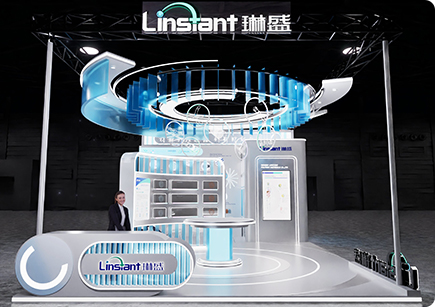
26Mar-2025Exhibition Preview: 2025 CMEF Medical Device ExpoThe highly anticipated 91st China International Medical Equipment (Spring) Fair—2025 Shanghai CMEF—is set to commence with great fanfare from April 8th to 11th, 2025, at the National Exhibition and Convention Center (Shanghai). Organized by the dedicated team at Reed Sinopharm Exhibition Co., Ltd., which is organized by Reed Sinopharm Exhibitions. CMEF has evolved since its inception in 1979 into a comprehensive platform that showcases the entire industry chain, introduces new products, facilitates procurement and trade, promotes brands, fosters scientific cooperation, and encourages academic exchanges. With "Innovative Technology Leading the Future" as its central theme, this edition of the expo is committed to propelling innovation and healthy development within the industry, guiding the medical device sector towards a more brilliant future. Ningbo Linstant and its five subsidiaries will be making a joint appearance at the 2025 CMEF. They will showcase their star products and technologies in their respective fields, demonstrating the group's comprehensive strength and innovative capabilities in the medical device industry. By participating in the CMEF, Linstant Group looks forward to engaging with industry peers, exploring future trends in medical technology, and advancing the medical industry as a whole. Event Details: Dates: April 8-11, 2025 Venue: National Exhibition and Convention Center (Shanghai) Booth Number: 7.1S22 Stay tuned for Ningbo Linstant's exciting showcase at the 2025 CMEF Medical Device Expo, and join us in witnessing the future of medical technology!
-
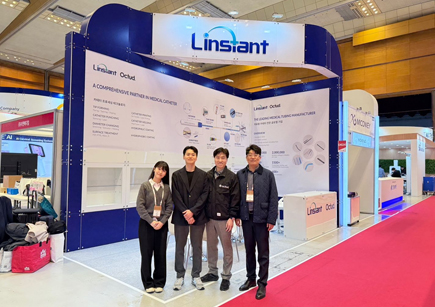
25Mar-2025KIMES 2025 Concludes with Resounding Success: Ningbo Linstant Shines in Seoul, Charting a New Blueprint for Minimally Invasive Medical TechnologyFrom March 20th to 23rd, 2025, the Korea International Medical & Hospital Equipment Show (KIMES), one of Asia's most influential healthcare exhibitions, successfully concluded at the COEX Convention Center in Seoul. The event brought together 1,125 enterprises from 38 countries, including China, Germany, the United States, Canada, and Japan, showcasing cutting-edge medical technologies and innovative solutions. With its full range of medical catheter products and solutions, Ningbo Listant Polymer Materials Co., Ltd. has made a notable appearance, engaging in in-depth exchanges and collaborations with clients around the world. At the exhibition, Linstant presented a comprehensive display of extruded single-lumen tubes, PI tubes, balloon tubing, micro catheters, steerable sheaths, guiding catheters, angiography catheters, fluoropolymer medical tubing, and heat shrink tube, offering visitors a visual feast of advanced medical catheter solutions. During the event, Linstant’s product portfolio attracted significant attention, drawing numerous industry professionals and visitors for consultations. The company’s expert team, including General Manager Mr. Song Xiaobo, conducted in-depth technical discussions and project evaluations with attendees, demonstrating Linstant’s profound expertise and innovation capabilities in the medical catheter field.As a leader in the field of medical catheters, Linstant is dedicated to the mission of "providing impetus to global minimally invasive healthcare" through relentless innovation in the development of medical catheter products. Moving forward, Linstant is committed to enhancing international exchanges and cooperation, continuously elevating its brand's global recognition, and introducing more high-quality products to the world market, ensuring that "Made in China" shines brightly on the global stage.
 CONTACT US
If you are interested in our products, please contact us
- CONTACT DETAILS
- Address : 5 Oak Park Dr, Bedford, MA 01730
- Tel: +86-13061789249
- Email: [email protected]
- The information provided on this website is intended for use only in countries and jurisdictions outside of the People's Republic of China.
- PRODUCTS
- Medical Extruded Tubing
- Medical Reinforced Tubing
- Polyimide
- PEEK
- Balloon Tubing
- Micro Catheter
- Secondary Processes
- Heat Shrink Tube
- Fluoropolymer Medical Tubing
- Endoscope
- Negative Pressure Access Sheath
- Guiding Catheter
- Angiographic Catheter
- High Pressure Braided Tubing
- Medical Tubing Surface Treatment Process
- NEWS CENTER
- Industry News
- Company News
- MOBILE TERMINAL

