


 English
  Français
  Español
  简体中文
简体中文
 简体中文
简体中文
With the increasing demand for high-performance conveying materials in industries such as chemical, pharmaceutical, and semiconductor manufacturing, PTFE etched pipes have become a crucial choice for piping systems due to their excellent corrosion resistance and high-temperature stability.
Content
Characteristics and Applications of PTFE Etched Pipes
PTFE etched pipes are typically made of polytetrafluoroethylene (PTFE) material, with improved surface adhesion through a special etching process. This type of pipe not only possesses extremely strong chemical corrosion resistance but can also withstand high and low temperature environments, making it widely used in high-purity chemical conveying and precision equipment.
In the semiconductor, pharmaceutical, and electronic chemical industries, PTFE etched pipes are commonly used to convey corrosive chemicals, acid and alkali liquids, and ultrapure water systems. Their unique corrosion resistance makes them a superior alternative to stainless steel or ordinary plastic pipes.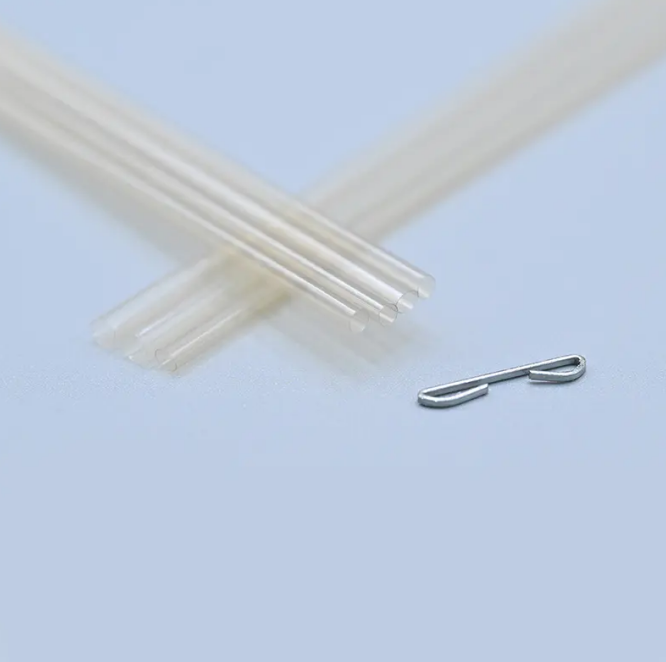
LINSTANT's Production Capabilities
As an industry leader, LINSTANT boasts nearly 20,000 square meters of cleanroom space, strictly adhering to GMP requirements. Our production facilities include:
- 15 imported extrusion lines (various screw sizes, capable of single-layer, double-layer, and triple-layer co-extrusion)
- 8 PEEK extrusion lines
- 2 injection molding lines
- Nearly 100 sets of weaving, springing, and coating equipment
- 40 sets of welding and forming equipment
These advanced resources ensure efficient and stable order fulfillment capabilities in the production of PTFE etched pipes and related products, providing reliable product assurance for our customers.
Why PTFE Etched Pipes Also Require Connecting Layers
Although PTFE etched pipes themselves possess excellent corrosion resistance and physical properties, the connection between pipes and fittings remains crucial in actual piping systems. The main reasons include the following:
Ensuring Pipeline Sealing
PTFE has a smooth surface and is not easily adhered to. Without a suitable connecting layer, micro-gaps may form between the fittings and the pipe, leading to leakage risks. A proper connecting layer can improve the sealing of the joints, ensuring safe system operation.
Enhancing Mechanical Strength
Under high pressure or long-term transportation environments, the strength of the pipe itself may be insufficient. The connection layer disperses pressure, enhances interface stability, and prevents pipeline damage due to external forces or temperature changes.
Adapting to Different Material Interfaces
In practical applications, PTFE etched pipes are often connected to metal, plastic, or other types of pipes. The presence of the connection layer effectively buffers the differences in thermal expansion and contraction between materials, preventing excessive interface stress that could cause cracks or loosening.
Choosing the Appropriate Connection Layer Solution
For PTFE etched pipes, selecting the appropriate connection layer material and process is crucial. Common solutions include:
- High-performance sealants: Suitable for medium and low-pressure systems, facilitating construction and maintenance.
- Mechanical crimp fittings: Suitable for high-pressure or high-temperature environments, providing enhanced stability.
- Specialized adhesives: For etched surface-treated PTFE pipes, ensuring a long-term, strong bond.
When selecting a connection solution, a comprehensive evaluation should be conducted based on pipeline pressure, media properties, temperature, and installation environment to ensure system safety and long-term reliable operation.
Even with high-performance PTFE etched pipes, the connection layer remains crucial in actual piping systems. Leveraging its advanced production facilities and extensive manufacturing experience, LINSTANT provides customers with high-quality PTFE etched pipes and related solutions. Proper selection and installation of the connection layer not only improves the pipe's sealing and mechanical strength but also extends its service life and reduces system maintenance costs.


