


 English
  Français
  Español
  简体中文
简体中文
 简体中文
简体中文
Content
- 1 Is Medical PEEK Tubing Biocompatible
- 2 What Makes PEEK Suitable for Body-Contact Applications
- 3 High Temperature Tolerance and Repeated Sterilization
- 4 Mechanical Strength and Fracture Toughness
- 5 Chemical Stability, Wear Resistance, and Flame Resistance
- 6 How PEEK Tubing Compares to Other Engineering Polymers
- 7 Precision, Crystallinity, and Manufacturing Consistency
- 8 Common Applications for Medical PEEK Tubing
- 9 About LINSTANT: A Source for Medical PEEK Tubing
- 10 Frequently Asked Questions
- 10.1 Q1. What is medical PEEK tubing?
- 10.2 Q2. What is PEEK tubing used for?
- 10.3 Q3. Why is PEEK used in medical devices?
- 10.4 Q4. What are the benefits of medical PEEK tubing?
- 10.5 Q5. What is medical grade PEEK?
- 10.6 Q6. How strong is PEEK tubing?
- 10.7 Q7. Is PEEK tubing flexible?
- 10.8 Q8. Is PEEK tubing wear resistant?
- 10.9 Q9. Is PEEK tubing chemically resistant?
- 10.10 Q10. Can PEEK tubing withstand high temperatures
Is Medical PEEK Tubing Biocompatible
Medical PEEK tubing is generally recognized as biocompatible and is widely used in devices that require body contact, thanks to its stable chemical structure, high purity manufacturing options, and resistance to degradation inside the body. PEEK, short for polyether ether ketone, is a high performance thermoplastic that combines mechanical strength, thermal stability, and chemical resistance in a way that supports its long-standing use across implantable and body-contact medical components.
The sections that follow explain the material characteristics behind this biocompatibility profile, compare PEEK against general expectations for other engineering polymers, and outline what manufacturers should evaluate when specifying medical PEEK tubing for a device program.
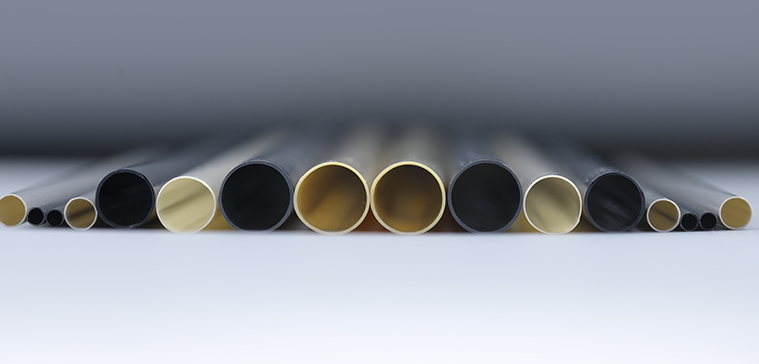
What Makes PEEK Suitable for Body-Contact Applications
PEEK is a semi-crystalline polymer that maintains a stable molecular structure under mechanical stress, elevated temperature, and repeated chemical exposure. This structural stability is a central reason the material resists breaking down inside the body over time, which is a baseline requirement for any polymer considered for body-contact or implantable use. Unlike some polymers that soften or leach components under physiological conditions, PEEK retains its dimensional and mechanical properties across a wide range of exposure scenarios.
Material Characteristics That Support Biocompatibility
- Stable molecular structure that resists breakdown under physiological conditions
- Low reactivity with bodily fluids and common sterilization chemistries
- Consistent surface characteristics across the tubing wall
- Compatibility with high purity, controlled manufacturing environments
High Temperature Tolerance and Repeated Sterilization
One of the defining characteristics of PEEK is its ability to operate stably in environments up to 250 degrees Celsius while maintaining its mechanical properties. This high temperature tolerance allows medical PEEK tubing to withstand repeated sterilization cycles under high temperature conditions without the softening or dimensional drift that can affect lower temperature polymers.
Because it withstands temperatures above 250 degrees Celsius, medical grade PEEK tubing can go through repeated high temperature sterilization procedures while retaining its high crystallinity and thermal stability, a combination that supports its use in reusable or repeatedly processed device components.
Mechanical Strength and Fracture Toughness
PEEK combines high strength with high fracture toughness and stable dimensional performance, meaning the material resists both breaking under load and gradually deforming over time. This combination of hardness and toughness is uncommon among engineering polymers, most of which favor one property at the expense of the other.
How Strong Is PEEK Tubing in Practice
In practical terms, PEEK tubing can hold precise dimensions under mechanical load, which is why it is often selected for shaft components that need to transmit force without stretching, flattening, or losing roundness during device use.
Chemical Stability, Wear Resistance, and Flame Resistance
Beyond mechanical performance, PEEK exhibits good chemical stability, flame resistance, and wear resistance, three characteristics that matter throughout both manufacturing and clinical use. Chemical stability protects the tubing from degradation when exposed to cleaning agents, bonding solvents, and bodily fluids. Wear resistance supports consistent performance in applications involving repeated contact or sliding motion against other components.
Is PEEK Tubing Chemically Resistant
Yes, PEEK tubing is generally considered chemically resistant across a broad range of common solvents, cleaning agents, and physiological fluids encountered in both manufacturing and clinical settings, which supports its selection for components requiring long-term chemical exposure stability.
How PEEK Tubing Compares to Other Engineering Polymers
Device engineers often compare PEEK against other high performance polymers when selecting a tubing material for a specific application. The radar chart below illustrates a general comparison across factors commonly evaluated during material selection.
Is PEEK Tubing Flexible
PEEK tubing offers moderate flexibility rather than high flexibility, since its strength and rigidity characteristics are generally prioritized over bendability. In applications where higher flexibility is required, engineers typically adjust wall thickness or combine PEEK with a secondary flexible component rather than relying on PEEK alone for a highly flexible shaft.
Precision, Crystallinity, and Manufacturing Consistency
PEEK offers high precision manufacturing potential along with high crystallinity, which together support better thermal stability and repeatable dimensional outcomes across a production run. This consistency is particularly relevant for thin wall medical PEEK tubing, where small variations in wall thickness or roundness can affect how the tubing performs once integrated into a finished device.
Advantages Summarized
- High precision manufacturing supports tight tolerance requirements
- Hardness combined with toughness supports durability under mechanical stress
- Withstands temperatures above 250 degrees Celsius, supporting repeated high temperature sterilization
- High crystallinity contributes to better thermal stability across processing and use
Common Applications for Medical PEEK Tubing
The properties described above make PEEK tubing suitable for a range of device categories where strength, thermal stability, and chemical resistance are simultaneously required. The table below summarizes typical application areas.
| Application Area | Relevant PEEK Property |
|---|---|
| Catheter Shaft Components | Strength and dimensional stability |
| Reusable Device Components | High temperature sterilization tolerance |
| Wear Contact Components | Wear resistance and toughness |
| Chemical Exposure Components | Chemical stability and flame resistance |
Manufacturers sourcing medical PEEK tubing for catheters typically evaluate wall thickness, dimensional tolerance, and surface finish alongside these baseline material properties to confirm the tubing matches the mechanical demands of the specific device.
About LINSTANT: A Source for Medical PEEK Tubing
NINGBO LINSTANT POLYMER MATERIALS CO., LTD. was established in 2014 and has specialized in extrusion processing, coating, and post-processing technology for medical polymer tubing. As a medical PEEK tubing supplier, the company maintains a commitment to precision, safety, diverse process development capabilities, and consistent output for device manufacturers.

LINSTANT operates a purification workshop of nearly 20,000 square meters that follows GMP-aligned practices, supported by 15 imported extrusion lines with various screw sizes and single, double, and tri-layer co-extrusion capability, eight PEEK extrusion lines, two injection molding lines, close to 100 sets of weaving, springing, and coating equipment, and forty sets of welding and forming equipment. Business scope includes extruded single and multi-layer tubing, single and multi-lumen tubing, single, double, and tri-layer balloon tubing, coil and braided reinforced sheaths, specialty PEEK and PI tubing, and various surface treatment solutions.
PEEK Material Highlights
| Characteristic | Description |
|---|---|
| Temperature Tolerance | Stable operation up to 250 degrees Celsius |
| Mechanical Profile | High strength with high fracture toughness |
| Chemical Behavior | Good chemical stability and flame resistance |
| Surface Performance | Good wear resistance and biocompatibility |
Frequently Asked Questions
Q1. What is medical PEEK tubing?
Medical PEEK tubing is tubing manufactured from polyether ether ketone, a high performance thermoplastic known for strength, thermal stability, and biocompatibility in medical device applications.
Q2. What is PEEK tubing used for?
It is used in catheter shaft components, reusable device parts, and other applications where strength, dimensional stability, and chemical resistance are required together.
Q3. Why is PEEK used in medical devices?
PEEK combines high strength, thermal stability, chemical resistance, and biocompatibility in a single material, which reduces the need to trade off one property for another during device design.
Q4. What are the benefits of medical PEEK tubing?
Benefits include high precision manufacturing, combined hardness and toughness, tolerance for repeated high temperature sterilization, and stable dimensional performance over time.
Q5. What is medical grade PEEK?
Medical grade PEEK refers to PEEK material processed and controlled to standards suitable for use in medical devices, including body-contact and reusable components.
Q6. How strong is PEEK tubing?
PEEK tubing offers high tensile strength combined with high fracture toughness, allowing it to resist both breaking under load and gradual deformation over repeated use.
Q7. Is PEEK tubing flexible?
PEEK tubing offers moderate flexibility rather than high flexibility, since its design generally prioritizes strength and dimensional stability over bendability.
Q8. Is PEEK tubing wear resistant?
Yes, PEEK tubing exhibits good wear resistance, which supports consistent performance in applications involving repeated contact or sliding motion against other components.
Q9. Is PEEK tubing chemically resistant?
Yes, PEEK tubing shows good chemical stability across many common solvents, cleaning agents, and physiological fluids encountered in manufacturing and clinical use.
Q10. Can PEEK tubing withstand high temperatures
Yes, PEEK tubing can operate stably in environments up to 250 degrees Celsius, allowing it to withstand repeated sterilization under high temperature conditions.


