NINGBO LINSTANT POLYMER MATERIALS CO., LTD. NINGBO LINSTANT POLYMER MATERIALS CO., LTD.
  • CUSTOMIZED FOR
    YOUR BUSINESS
    Tailored for a Wide Range of Applications
  • Research and Design
    With an in-depth understanding of the properties of polymer materials and the application requirements of medical catheters, we leverage our extensive experience in R&D and design to offer constructive material selection and design recommendations tailored to your needs.
    READ MORE
  • Rapid Prototyping
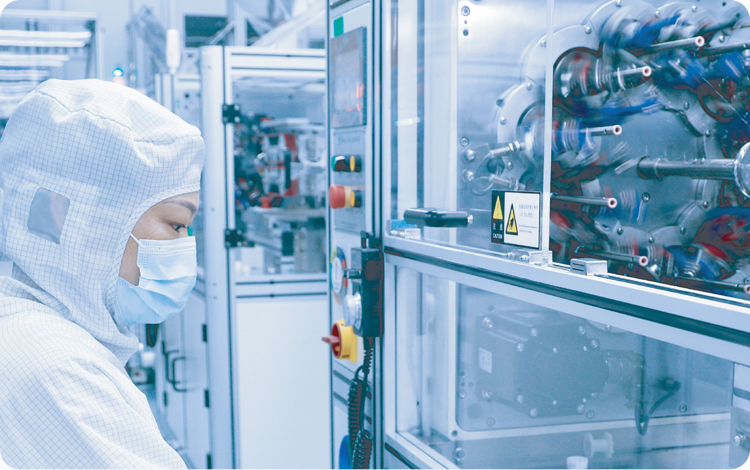
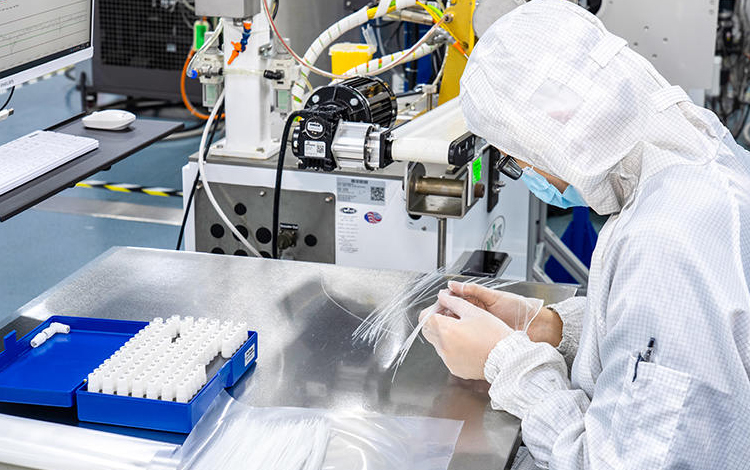
    Equipped with a comprehensive production process system and advanced processing equipment, we adhere to design specifications to swiftly manufacture prototypes. We maintain frequent and in-depth communication with you to ensure that the appearance quality, dimensional accuracy, and basic performance indicators of the prototypes meet your design expectations. Additionally, our rapid prototyping line enables fast sampling, saving you time and costs.
    READ MORE
  • Testing & Validation
    We collaborate with your validation processes and provide the samples and documentation required for clinical trials and other regulatory needs. We also offer professional guidance on product and regulatory matters.
    READ MORE
  • Certification Assistance
    We are certified to ISO 13485 quality management system. Our robust quality management system provides comprehensive support to ensure that all documentation complies with regulatory requirements, facilitating a smooth product certification process.
    READ MORE
  • Mass Production
    We have a mature production management system and strictly follow standardized processes to ensure timely, high-quality, and accurate delivery. In the event of quality issues, we immediately initiate a traceability mechanism to pinpoint the root cause and implement swift corrective actions, ensuring that every product entering the market meets stringent quality standards.
    READ MORE
NINGBO LINSTANT POLYMER MATERIALS CO., LTD.
  • NINGBO LINSTANT POLYMER MATERIALS CO., LTD.
  • NINGBO LINSTANT POLYMER MATERIALS CO., LTD.
  • NINGBO LINSTANT POLYMER MATERIALS CO., LTD.
  • NINGBO LINSTANT POLYMER MATERIALS CO., LTD.
  • NINGBO LINSTANT POLYMER MATERIALS CO., LTD.
  • NINGBO LINSTANT POLYMER MATERIALS CO., LTD.
  • NINGBO LINSTANT POLYMER MATERIALS CO., LTD.
  • NINGBO LINSTANT POLYMER MATERIALS CO., LTD.
  • NINGBO LINSTANT POLYMER MATERIALS CO., LTD.
  • NINGBO LINSTANT POLYMER MATERIALS CO., LTD.
  • NINGBO LINSTANT POLYMER MATERIALS CO., LTD.
    NINGBO LINSTANT POLYMER MATERIALS CO., LTD.
    Neurovascular
    -Micro Catheter
    -Aspiration Thrombectomy Catheter
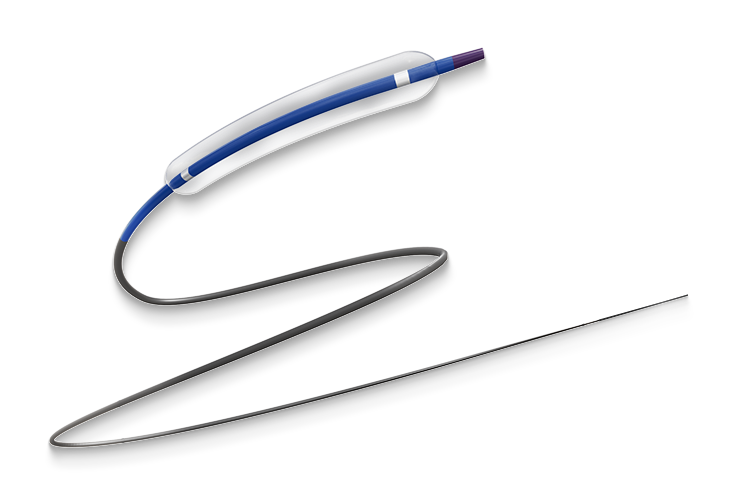
    -Balloon Tubing
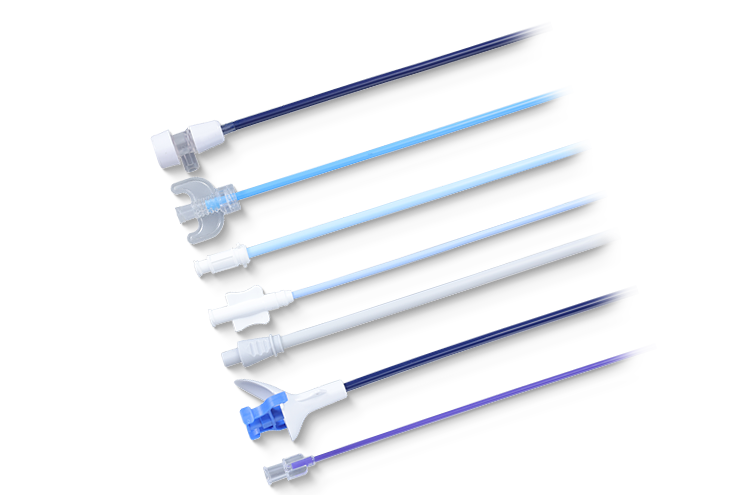
    -Guiding Catheter
    -Angiographic Catheter
    -Protection Tubing
    NINGBO LINSTANT POLYMER MATERIALS CO., LTD.
    Ophthalmic System
    -Distal Catheter
    -Lacrimal Cannula
    -Drainage Tube
  • NINGBO LINSTANT POLYMER MATERIALS CO., LTD.
    NINGBO LINSTANT POLYMER MATERIALS CO., LTD.
    Electrophysiology
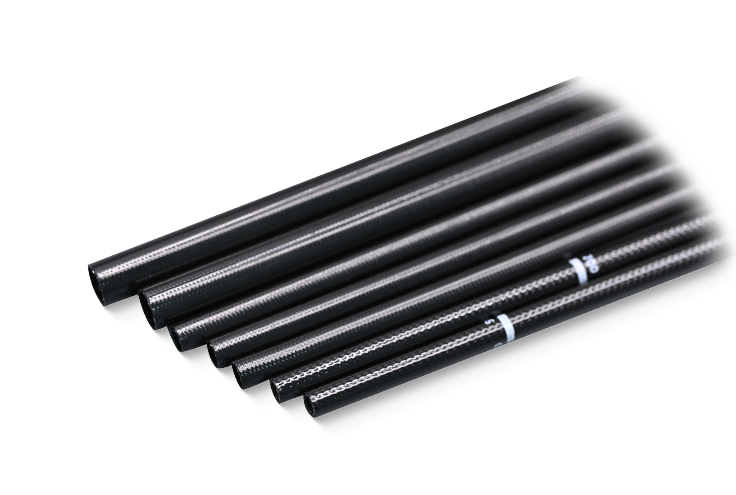
    -Braid Reinforced Tubing
    -Coil Reinforced Tubing
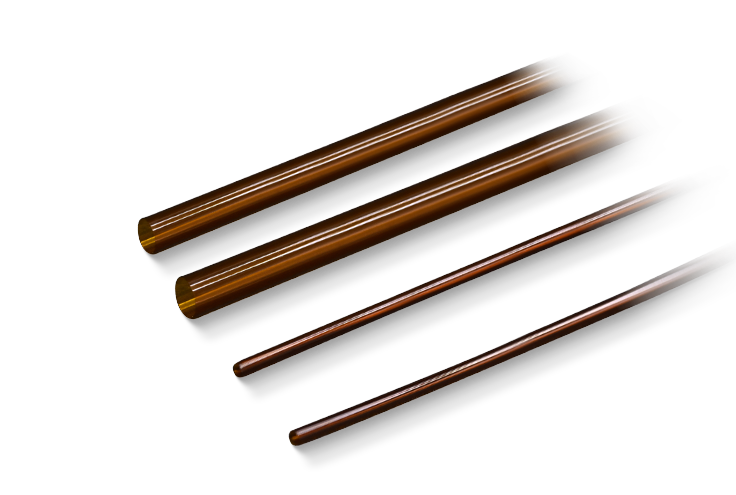
    -Medical Polyimide Tubing
    NINGBO LINSTANT POLYMER MATERIALS CO., LTD.
    Cardiovascular
    -Single/Double/TripleBalloon Tubing
    -Multi-lumen Tubing
    -Medical Multi-layer Tubing
    NINGBO LINSTANT POLYMER MATERIALS CO., LTD.
    Structural Heart Disease
    -Micro Catheter
    -Aspiration Thrombectomy Catheter
    -Balloon Tubing
    -Guiding Catheter
    -Angiographic Catheter
    -Introducer Sheath
  • NINGBO LINSTANT POLYMER MATERIALS CO., LTD.
    NINGBO LINSTANT POLYMER MATERIALS CO., LTD.
    Endoscope
    -Braid Reinforced Tubing
    -Coil Reinforced Tubing
    -Multi-lumen Tubing
  • NINGBO LINSTANT POLYMER MATERIALS CO., LTD.
    NINGBO LINSTANT POLYMER MATERIALS CO., LTD.
    Urinary
    -Urinary Coil Tubing
    -Steerable Urinary Coil Sheath
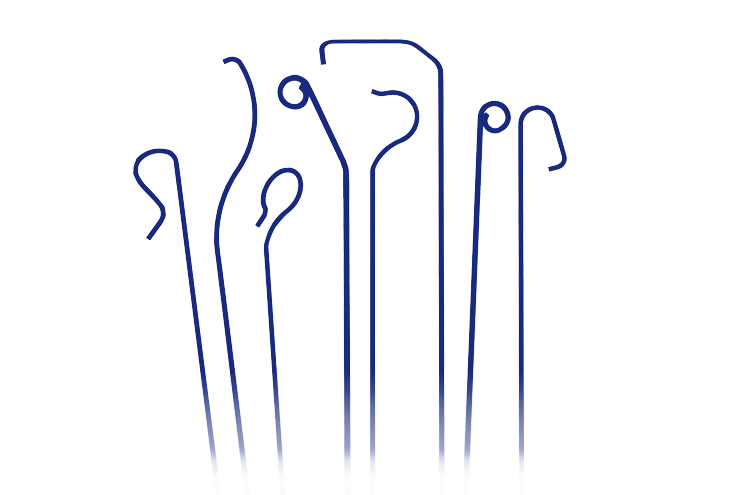
    -Stone Retrieval Basket (PI)
  • NINGBO LINSTANT POLYMER MATERIALS CO., LTD.
    NINGBO LINSTANT POLYMER MATERIALS CO., LTD.
    Minimally Invasive Surgery (MIS)
    -Balloon Tubing
    -Steerable Sheath
    -Disposable Sampling Tube
    NINGBO LINSTANT POLYMER MATERIALS CO., LTD.
    Orthopedics
    -PEEK Tubing
    -Vertebrae Balloon Tubing
    -Compression Sleeve
    NINGBO LINSTANT POLYMER MATERIALS CO., LTD.
    Peripheral Vascular
    -Braid Reinforced Tubing
    -Coil Reinforced Tubing
    -Introducer Sheath
INDUSTRIES WE SERVE
We understand challenges in various industries and provide solutions to meet your specific production needs.
READ MORE
  • NINGBO LINSTANT POLYMER MATERIALS CO., LTD.
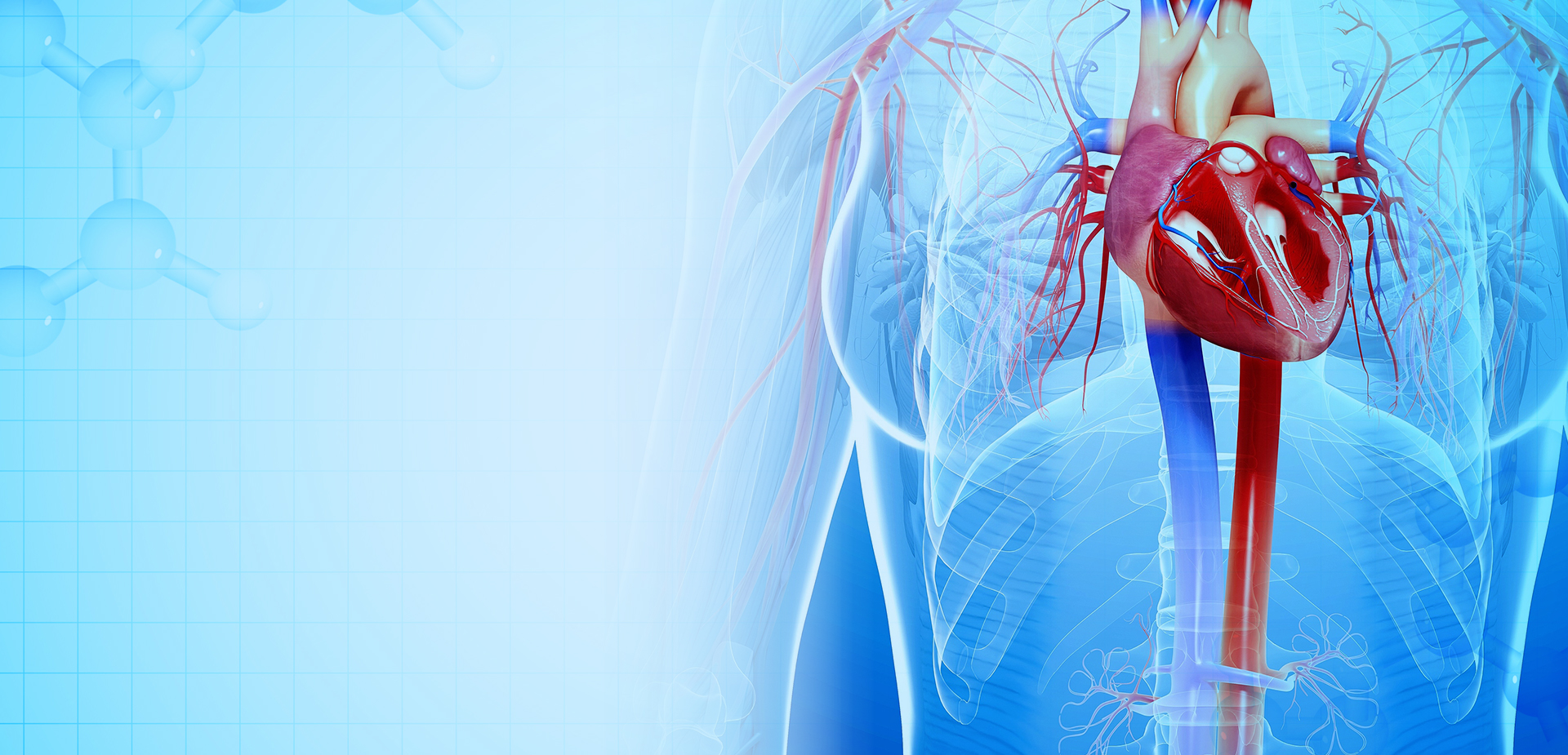
    Head
  • NINGBO LINSTANT POLYMER MATERIALS CO., LTD.
    Chest
  • NINGBO LINSTANT POLYMER MATERIALS CO., LTD.
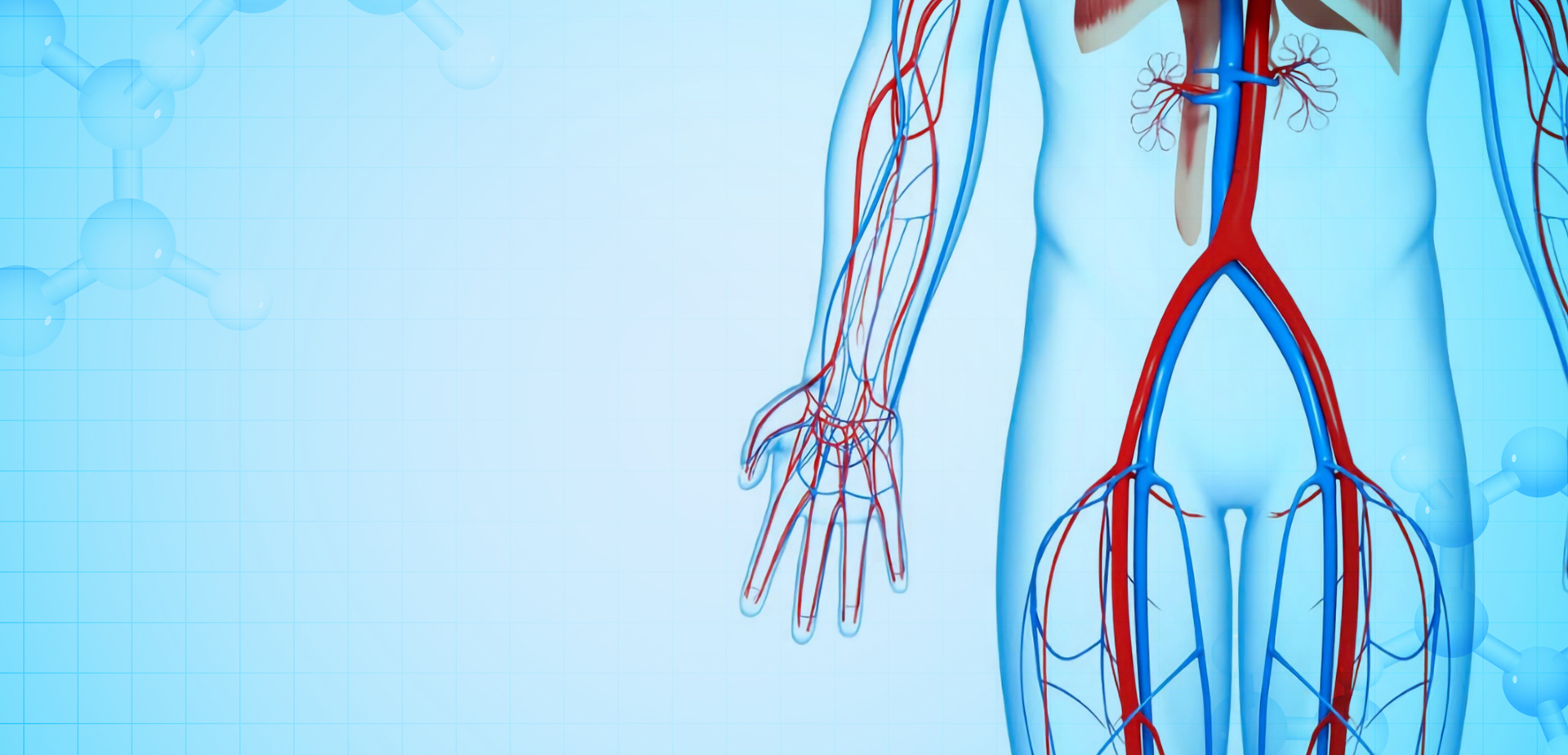
    Hip
  • NINGBO LINSTANT POLYMER MATERIALS CO., LTD.
    Hip1
  • NINGBO LINSTANT POLYMER MATERIALS CO., LTD.
    lower limbs
ABOUT LINSTANT
Ningbo Linstant Polymer Materials Co., Ltd. was a professional

OEM/ODM Medical Tubing Manufacturers and Medical Tubing Supplier

, established in 2014 and now employs over 400 employees. We specialize in the extrusion processing, coating, and post-processing technologies of medical polymer tubing. Our commitment to medical device manufacturers is reflected in our precision, safety, diverse processing capabilities, and consistent product quality.
READ MORE
  • 0
    Establishment time
  • 0+
    Employee
  • 0+
    Production line
NINGBO LINSTANT POLYMER MATERIALS CO., LTD.
NEWS
  • Industry News
    Dec 12,2025
    Types of Heat Shrink Tubing?
    In modern manufacturing and the medical device industry, Heat Shrink Tubing is widely used due to its excellent insulation, protection, and marking capabilities. With the continuous expansion of application scenarios, the materials, structures, and specialization of heat shrink tubing are also rapidly developing, especially in the medical Heat Shrink Tubing market, which demands extremely high quality and performance, showing a trend towards diversification. I. Basic Classification of Heat Shrink Tubing Currently, the most common heat shrink tubing on the market is classified according to material, shrinkage ratio, and application field: 1. Classification by Material Different materials of heat shrink tubing possess different characteristics, meeting the needs of multiple industries. Among the most representative are: PE Heat Shrink Tubing (Polyethylene): Good flexibility, widely used, and a common insulating material for electronic wire harnesses. FEP Heat Shrink Tubing: High temperature resistance, corrosion resistance, and high transparency; often used in precision components such as medical device endoscopes and catheters. PEBAX Heat Shrink Tubing: Combines flexibility and high strength, with excellent biocompatibility; prominently used in medical catheters and surgical instruments. PTFE Heat Shrink Tubing (Teflon): Resistant to extreme temperatures and with a low coefficient of friction, suitable for high-end medical equipment, aerospace electronics, and other fields. PVDF Heat Shrink Tubing: Highly resistant to chemical corrosion and radiation, widely used in the medical and energy industries. PFA Heat Shrink Tubing: Excellent high-temperature resistance, suitable for medical environments with extremely high stability requirements. PET Heat Shrink Tubing: High strength and good shrinkage performance, commonly used for electrical insulation and surface protection of medical devices. Furthermore, LINSTANT offers a more comprehensive product line, covering various sizes and complex structures, including extruded single/multi-layer tubing, single/multi-lumen tubing, single/double/triple-layer balloon tubing, spiral/braided reinforced sheaths, and special engineering materials such as PEEK/PI tubing. It also provides diverse surface treatment solutions to fully meet the high standards of precision, durability, and biocompatibility required by medical devices. II. Classification by Shrinkage Ratio Heat Shrink Tubing generally has different shrinkage ratios such as 2:1, 3:1, and 4:1. The higher the value, the wider the range of applicable outer diameters. For example, precision structures such as medical catheter assemblies and cardiac interventional devices often use 3:1 or 4:1 heat shrink tubing to improve assembly stability. III. Characteristics and Application Trends of Medical Heat Shrink Tubing In the medical field, heat shrink tubing is not only a simple protective material, but also a key auxiliary structure for equipment performance and safety. Our company's medical heat shrink tubing has the following advantages: 1. High Biocompatibility Made of materials such as FEP, PEBAX, and PTFE, it meets medical-grade standards and is suitable for in vivo or external medical devices. 2. High Transparency and Visibility The high transparency of FEP and PFA materials makes them suitable for applications requiring high visibility, such as endoscopes and guidewire wrapping. 3. High Temperature and Chemical Resistance PTFE, PVDF, and PFA heat shrink tubing can withstand high-temperature sterilization and medical disinfectants, making it suitable for reusable or high-temperature environments. 4. Wide Range of Applications Including but not limited to: Interventional Medical Catheter Coating Balloon Catheter Processing Surgical Instrument Coating Insulation Protection for Medical Electronic Components Guidewire Assemblies Endoscopic System Sheaths Combined with LINSTANT's extensive product line, whether single-layer, double-layer, or triple-layer balloon tubing, or spiral/braided reinforced sheaths, they can provide precise protection and performance optimization for medical devices. IV. Future Trends: Lighter, Thinner, and Safer As the medical industry continues to pursue minimally invasive, flexible, and precise solutions, heat shrink tubing is developing towards "ultra-thin walls, high transparency, high flexibility, and enhanced biocompatibility." High-end materials such as FEP, PEBAX, and PTFE will continue to be the core of medical heat shrink tubing R&D, and LINSTANT will continue to provide more comprehensive material and processing solutions to support the innovation and upgrading of medical devices. Heat shrink tubing comes in a wide variety of types, which can be further subdivided according to materials, performance, and application areas. Among them, medical heat shrink tubing, due to its high requirements for performance and safety, has become an important direction for material R&D. LINSTANT offers heat shrink tubing in FEP, PE, PEBAX, PTFE, PVDF, PFA, and PET materials, as well as multi-layer balloon tubing, spiral/braided sheaths, special engineering material tubing, and surface treatment solutions. These products can be widely used in various medical devices, providing customers with comprehensive solutions that offer high performance, reliability, and safety.
  • Industry News
    Dec 05,2025
    Does polyimide tubing have flexibility?
    In the fields of medical device manufacturing, minimally invasive interventional therapy, and high-precision engineering, polyimide tubing has received widespread attention due to its excellent comprehensive performance. With the continuous upgrading of minimally invasive technology, the application of medical polyimide tubing in clinical fields such as vascular intervention, electrophysiology, urology, and structural cardiology is becoming increasingly prominent. How flexible is polyimide tubing? The answer is very clear: polyimide tubing has excellent flexibility and maintains stable performance over a very wide temperature range. Thanks to the molecular structure of polyimide material, it possesses excellent bending properties while maintaining high strength and high temperature resistance. Whether bent at room temperature or during dynamic movement, polyimide tubing is not easily broken, deformed, or fatigue-induced, making it particularly suitable for components in medical devices that require repeated bending. Typical Applications of Polyimide Tubing in the Medical Field Due to its high mechanical strength, excellent flexibility, and good dimensional stability, medical polyimide tubing has achieved mature applications in multiple clinical fields, including: Vascular Intervention: Used in vascular stent delivery systems, guidewire sheaths, etc. Structural Cardiac Devices: Used in high-precision delivery components and protective cannulas. Electrophysiology: Used in miniature tubing for mapping and ablation of flexible shafts. Urology: Such as stone retrieval basket catheters, ureteroscope-related accessories. Endoscopy: Used in endoscopic catheters, flexible manipulation tubing, etc. These applications place extremely high demands on the material's flexibility, fatigue resistance, dimensional accuracy, and biocompatibility, and polyimide tubing demonstrates its core advantages in these aspects. Why is medical polyimide tubing so popular? Combined Flexibility and High Strength It can withstand repeated bending and torsion in narrow spaces, which is especially crucial for vascular and urinary system devices. High Temperature and Radiation Sterilization Resistance Compatible with mainstream medical sterilization processes, such as high-temperature steam sterilization, ethylene oxide sterilization, or gamma ray sterilization. Excellent Dimensional Stability Maintains extremely high inner diameter accuracy and wall thickness consistency, suitable for the high-precision production of minimally invasive medical devices. Good Biocompatibility Meets the material requirements for medical devices and can be used in disposable or short-term contact products. Multiple Applications Validate the Strength of Polyimide Tubing Besides the medical industry, polyimide tubing is widely used in aerospace, industrial automation, fiber optic protection, and sensor components, further demonstrating its comprehensive advantages in flexibility, temperature resistance, mechanical strength, and chemical stability. LINSTANT: Professional Manufacturer of Polyimide Tubing and Medical Interventional Device Components As a leading manufacturer of precision tubing and medical device components, LINSTANT boasts a nearly 20,000 square meter cleanroom, fully compliant with GMP requirements. Our robust production system is the core strength that allows us to provide high-quality polyimide tubing and custom components to global medical device companies: 15 imported extrusion production lines: offering diverse screw sizes to support single-layer, double-layer, and triple-layer co-extrusion. 8 PEEK extrusion production lines: meeting the demand for high-performance polymer tubing. 2 injection molding production lines: capable of producing precision medical-grade injection molded parts. Nearly 100 sets of weaving/spring/coating equipment. 40 sets of welding and forming equipment. This comprehensive production capacity layout enables LINSTANT to achieve efficient order fulfillment in the manufacturing of polyimide tubing, medical microcatheter assemblies, and various interventional device parts, while ensuring product consistency and high reliability. Conclusion Polyimide tubing not only boasts excellent flexibility but also excels in the medical industry due to its high strength, high reliability, and adaptability to various applications. Whether in vascular, structural cardiology, electrophysiology, or urology, medical polyimide tubing is becoming a core material choice for an increasing number of medical device companies.
  • Industry News
    Nov 28,2025
    What is a ureteral access sheath?
    The ureteral access sheath is a crucial conduit connecting the surgeon's work with patient safety in minimally invasive urological surgery. We will explore in detail the criticality of its structural design, its multidimensional functions in handling complex stone situations, and how LINSTANT, the manufacturer, utilizes its advanced extrusion process and post-processing technology to ensure the absolute reliability of this critical instrument. 1. ureteral access sheath: In-depth Analysis of Structure and Basic Functions The ureteral access sheath (UAS) is more than just a simple cannula; its design directly affects the degree of ureteral protection and the smoothness of the procedure. A. Refinement of Core Functions Establishing a "zero-trauma" channel: Its primary task is to establish a protective channel with a relatively constant diameter within the ureter (especially the narrower distal portion). This allows the surgeon to repeatedly insert and remove instruments such as ureteroscopes, laser fibers, and irrigation catheters without worrying about mechanical friction or tearing of the delicate ureteral wall. Maintaining a clear view and controlling pressure: During lithotripsy, the surgical field of vision is easily obscured by blood and debris. ureteral access sheaths allow for continuous and efficient infusion of saline solution and drainage of irrigation fluid and stone debris, crucial for maintaining surgical clarity. B. A Technological Leap Forward in Negative Pressure Ureteral Access Sheaths Advanced ureteral access sheath designs, such as negative pressure ureteral access sheaths, represent a significant technological advancement. This specially designed sheath integrates a negative pressure suction interface, enabling the active and rapid removal of intraoperative irrigation fluid and debris. This greatly reduces intraoperative waiting time and effectively mitigates the potential impact of intrarenal pressure fluctuations on the kidneys, truly achieving high surgical efficiency. 2. LINSTANT: The Cornerstone of Complex ureteral access sheath Manufacturing The realization of high-performance ureteral access sheaths relies on precise control of medical polymer tubing. LINSTANT has over eight years of expertise in this field: Precision Tubing Extrusion: ureteral access sheaths require extremely small wall thickness tolerances and smooth inner and outer surfaces. LINSTANT's 15 imported extrusion lines (including single-layer, double-layer, and triple-layer co-extrusion capabilities) enable precise control over tubing geometry and lumen configuration, forming the basis for manufacturing ureteral access sheaths of varying diameters and functional levels. Functional Post-Processing: Advanced ureteral access sheaths may require specific surface properties. LINSTANT has nearly 100 coating units that can provide low-friction coatings for the sheaths, further reducing resistance during surgical procedures and directly improving the safety and smoothness of minimally invasive surgery. 3. Customization and Future Needs: The Value of OEM ureteral access sheaths In complex urological cases, standard sizes may not meet all needs. LINSTANT offers OEM ureteral access sheath services, meaning they can develop and produce ureteral access sheaths with unique specifications based on the medical device manufacturer's requirements, such as specific curvature, different distal opening designs, or internal dimensions perfectly matching a specific brand of endoscope. This customization capability ensures a high degree of compatibility between surgical instruments and surgical procedures. LINSTANT's expertise in polymer tubing within its GMP-certified facilities provides a solid foundation for the stable production of ureteral access sheaths and negative pressure ureteral access sheaths for global OEM manufacturing.
  • Industry News
    Nov 21,2025
    What are the uses of Multi-lumen Tubing?
    In the sophisticated field of modern medicine, the development of catheter technology is key to advancing minimally invasive treatments. Among these, Multi-lumen Tubing, with their unique design and superior performance, play a vital role in multiple specialties. Multi-lumen Tubing: Precision Instruments with Multiple Functions The essence of Multi-lumen Tubing lies in their "multi-lumen" design—that is, a single catheter containing multiple independent channels. This structural design allows them to simultaneously accommodate and deliver multiple substances or tools, greatly improving the efficiency and complexity of interventional procedures: Multifunctional Integration: They can simultaneously accommodate multiple interventional elements such as guidewires, liquid drugs, and gases, which is crucial for complex surgeries requiring simultaneous infusion, flushing, or guidance. Empowering Cutting-Edge Interventional Devices and Manufacturing Capabilities The applications of Multi-lumen Tubing are extremely broad, covering multiple stages from diagnosis to treatment, including coronary intervention, dialysis, endoscopy, neurovascular, obstetrics and gynecology, and gastroenterology. They are also a core component of many advanced medical devices, such as intravascular ultrasound catheters, ablation catheters, cardiac mapping catheters, and thrombectomy catheters. A strong manufacturing background is fundamental to the reliable production of these products. We deeply understand the stringent requirements for precision and reliability in medical Multi-lumen Tubing. LINSTANT Manufacturing Strength Highlights We possess a nearly 20,000 square meter cleanroom, fully compliant with GMP requirements, providing a clean and standardized environment for the production of high-quality Multi-lumen Tubing. Equipped with 15 imported extrusion lines, supporting single-layer, double-layer, and triple-layer co-extrusion capabilities, we can flexibly meet various complex lumen structure requirements. Eight PEEK extrusion lines ensure a stable supply of high-performance material catheters. We possess injection molding, weaving/springing/coating, and welding equipment, ensuring efficient one-stop delivery of OEM Multi-lumen Tubing from the catheter body to key components. These resources collectively ensure our efficient order fulfillment capabilities and rigorous quality control over multi-lumen catheter products. Conclusion Multi-lumen Tubing are one of the cornerstones of modern minimally invasive medicine. By integrating multiple functional channels, it greatly simplifies complex procedures and improves surgical precision and safety. Leveraging LINSTANT's robust GMP manufacturing platform and advanced extrusion capabilities, we are committed to providing our global partners with the highest standard of medical multi-lumen catheter solutions.
  • Industry News
    Nov 14,2025
    What are the differences between PTFE and PEEK tubing?
    In the medical device manufacturing field, where precision, reliability, and biocompatibility are extremely critical, PTFE (polytetrafluoroethylene) and PEEK (polyetheretherketone) tubing are core extrusion tubing choices. While both offer excellent performance, key differences exist in mechanical strength, temperature resistance, and end-use medical applications. I. Performance Focus of Medical-Grade Tubing 1. PTFE Tubing: Excellent Chemical Inertness and Biocompatibility PTFE tubing is highly valued in medical applications, primarily due to its extreme chemical inertness and excellent biocompatibility. Chemical/Fluid Compatibility: PTFE tubing reacts almost entirely with no drugs or biological fluids, making it suitable for flow paths requiring extremely high purity. Frictional Properties: Its low coefficient of friction makes it an ideal liner material for guidewires and endoscope components. Limitations: Compared to PEEK tubing, its mechanical strength and torsional resistance are weaker, making it unsuitable as a structural component under high stress. 2. PEEK Tubing: A Pillar of Strength and Stability in Medical Devices PEEK tubing is the cornerstone of advanced medical devices, perfectly balancing high strength and biosafety requirements. High Mechanical Properties: PEEK tubing possesses high strength and rigidity, capable of withstanding the push-pull forces, torque, and pressure during complex interventional procedures. This is crucial for cardiovascular interventional catheters and spinal surgery fixation devices. Dimensional Stability: Its stable dimensional properties in sterile and in vivo environments are key to ensuring device accuracy. Special Applications: The excellent biocompatibility, flame retardancy, and abrasion resistance of PEEK tubing make it widely used in demanding fields such as orthopedics, cardiovascular, and electrosurgical forceps. II. Medical Tubing Structure and Customization Capabilities Your company's extensive tubing customization capabilities maximize the performance of basic materials: A. Structural Complexity and Functional Integration Medical catheters often require the integration of multiple functions: Multi-lumen Catheter Technology: The production of our multi-lumen catheters (with various shapes and lumen configurations) demands sophisticated control over the extrusion technology of materials such as PTFE and PEEK tubing to ensure the stability and precision of different channels. Balloon Tubing Precision: Single/double/triple-layer balloon tubing is a core component of balloon dilation catheters. Our experience ensures that these balloon tubings achieve minute tolerances and excellent mechanical properties to meet precise dilation requirements. B. Reinforcement and Surface Treatment Solutions To meet specific interventional needs, material structure and surface treatment are crucial: Structural Reinforcement: Spiral/braided reinforcing sheath technology can be combined with other high-strength materials to significantly improve the tubing's resistance to torsion and penetration while maintaining flexibility. Material Selection: For interventional devices requiring high strength, PEEK tubing is preferred; for applications requiring high-purity flow paths or anti-adhesion, PTFE tubing or a combination of both in multilayer tubing designs are recommended. III. Material Selection Guidelines for Medical Applications Choosing the right medical-grade tubing is a prerequisite for successful design: PTFE Tubing is preferred when critical requirements include extreme chemical inertness, resistance to drug corrosion, and low friction for use in lumen or guidewire access. PEEK Tubing is preferred when critical requirements include high mechanical strength, high stiffness, excellent fatigue resistance, and dimensional stability for load-bearing or complex interventional procedures. Our technical capabilities cover a wide range of custom requirements, from single-lumen to triple-layer balloon tubing, and from PTFE to PEEK, ensuring the most reliable tubing solutions for your medical projects.
  • Industry News
    Nov 07,2025
    What are the uses of polyimide tubing?
    Why does medical device manufacturing favor medical polyimide tubing? Polyimide is a polymer material with an imide structure. In the medical field, the requirements for materials are extremely stringent, and medical polyimide perfectly meets these needs: Excellent mechanical strength: Ensures that the catheter has sufficient thrust and bending resistance during interventional procedures, enabling precise manipulation. Ultra-thin wall thickness and flexibility: Enables the production of tubing with extremely thin walls, reducing the catheter's outer diameter while maintaining strength, facilitating passage through narrow and tortuous blood vessels. Heat resistance and chemical stability: Adapts to the high-temperature sterilization and various chemical processing processes commonly encountered in medical device manufacturing. These properties are what answer the core value of the question, "What are the uses of polyimide?"—providing reliable performance assurance for complex and precise medical devices. Core Uses of polyimide tubing: Key to Interventional Therapy Your company's medical polyimide tubing is primarily used in various catheters and delivery systems. Specific application scenarios are as follows: 1. Cardiovascular Field: Vascular, Structural Heart Disease, and Electrophysiology In cardiovascular interventional procedures, the precision and safety of catheters are crucial: Electrophysiology Catheters: Medical polyimide, used as the outer tubing or inner lining of electrophysiology catheters, provides excellent insulation and flexibility for the diagnosis and ablation of cardiac arrhythmias. Vascular Stent Delivery Systems: Polyimide tubing is the preferred material for the outer tubing of stent delivery systems, providing the necessary rigidity and delivery force to ensure precise stent delivery to the lesion site. 2. Endoscopic Catheters: Precise Diagnosis and Minimally Invasive Surgery Endoscopes require deep insertion into human cavities for observation and manipulation. Endoscopic Catheters: The superior properties of polyimide allow for thinner catheter walls and smaller outer diameters, improving patient comfort while ensuring catheter flexibility and ease of passage. 3. Urological Instruments: Ensuring Complex Procedures In the field of urology, for example, in the treatment of kidney stones and ureteral stones: Stone Retrieval Basket Outer Tube: Medical-grade polyimide tubing serves as the outer protective tube for instruments such as stone retrieval baskets. It possesses excellent anti-kink and abrasion resistance, ensuring smooth stone grasping and removal. Process Control and Market Trends To fully unleash the potential of polyimide materials in the medical field, extremely high levels of process control are required. Since its founding in 2014, LINSTANT has focused on the extrusion, coating, and post-processing technologies of medical polymer tubing. We remain committed to providing precise, safe, and diversified process development capabilities and stable production volumes, ensuring that every piece of medical-grade polyimide tubing meets the most stringent medical standards. With the increasing global aging trend and the widespread adoption of minimally invasive interventional surgery, the market demand for high-performance medical polyimide tubing will continue to rise. In the future, polyimide materials will develop towards higher precision, thinner wall thickness, and more multi-cavity structures to support more complex and delicate interventional surgical instruments.
READ MOER